
In its Father’s Day 2025 Forecast, market researcher NIQ emphasized that the holiday is evolving. Although consumers are primarily focused on buying gifts for their fathers, many also consider gifts for spouses, other family members and even friends, broadening the shopping occasion.
However, Father’s Day purchasing has a tight window and, so, constitutes a short opportunity for retailers and their suppliers. Almost 90% of Father’s Day shoppers plan to wrap up buying within the month before the holiday, and about one-in-four shoppers wait until the week before the date to finalize their purchases.
Decision-making about gifts is complex today, influenced by both in-store and online browsing, with 69% of consumers expecting to look around stores in person and 66% to check out shopping websites, NIQ pointed out. In addition, social media and influencers on platforms such as Instagram, TikTok and YouTube play a significant role in shaping consumer choices, so NIQ suggests keeping them in mind when making marketing plans.
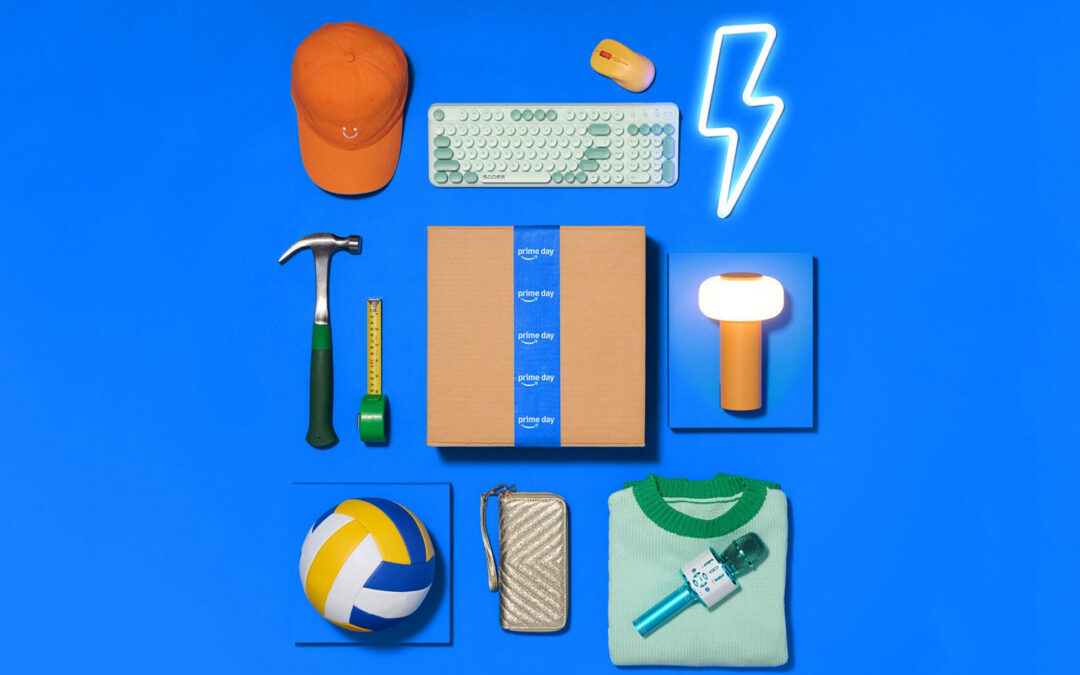
In the current marketplace, consumers appraise a wide range of potential gifts as they approach Father’s Day, with traditional presents such as men’s fragrances and tools still popular, but a broader range of gear for do-it-yourself and related home projects getting some thought as well. Tech gadgets, including smart home devices, gift cards, sporting goods and apparel, get due consideration from Father’s Day shoppers. However, the market researcher added, it’s important to note that women are more likely to purchase personalized keepsakes.
Highlights from the NIQ findings include:
- 25% of Father’s Day shoppers intend to visit home improvement stores.
- 50% of tech shoppers plan to purchase headphones, while fitness and wellness wearables and smart home products are top picks, too.
- 47% of Father’s Day shoppers expect to spend more on the occasion this year than in the past.
Consumers anticipate spending about $224 on Father’s Day gifts, with men expecting to spend more on average, at $275, than women, at $185. The trend indicates a willingness among consumers to invest in meaningful gifts for the occasion, despite economic uncertainties.
Be that as it may, inflation and high prices are factors looming over Father’s Day spending, with half of consumers acknowledging that these economic challenges will affect their purchasing decisions, suggesting that promotions, discounts and flexible payment options can give purchasing a lift, NIQ maintained.