World Cup viewers in the United States could drive $7.5 billion in spending as they follow the tournament, which soccer watchers plan to watch mostly at home, according to Numerator.
In all, 32% of U.S. consumers plan to watch the 2026 FIFA World Cup between June 11 and July 19, a figure up six points from a January 2026 poll. An additional 17% may tune in, while 51% of consumers in a poll from the market researcher said they won’t watch.
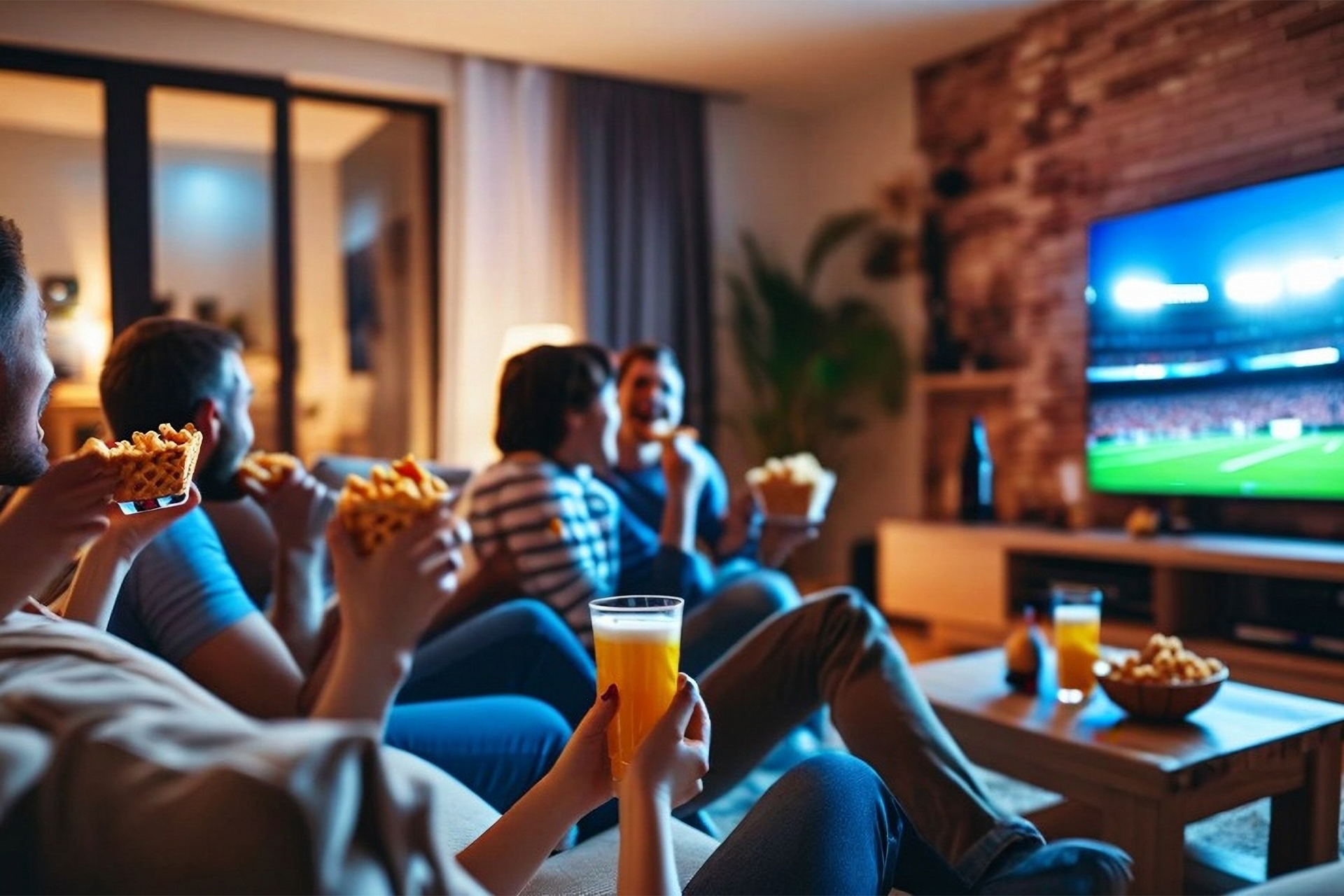
As they look forward to the tournament, 71% of intended World Cup viewers said they plan to watch at home alone or with members of their household. Over a month of matches, 57% of viewers said they also plan to watch at least some matches in some elsewhere, whether a bar, restaurant, public space or other social space, for 27%, in someone else’s domicile, for 25%, in a watch party setting thrown at home, for 24%, from their workplace, 9%, and at a match in person, for 5%. Although that 5% may be a small proportion, it represents approximately 4.4 million adults, Numerator pointed out, and a group that expects to spend more than $1,600 when accounting for match tickets, travel, lodging, food and beverages, parking and transportation, and other associated costs.
As they consider how they’ll spend during the upcoming event, 89% of World Cup viewers intend to make tournament-related purchases averaging about $74. Despite a heavy orientation toward food and beverage purchasing, Numerator noted that viewers will spend to create a World Cup ambiance, whether to fit out their homes or to dress to support their favored teams.
Gen Zers, at 40%, and Millennials, at 39%, are more likely to watch the World Cup than are Gen Xers, at 32%, or Boomers, at 24%. Latino and Asian consumers, at 54% and 51% respectively, are the most likely ethnic demographics to watch World Cup matches.
In terms of viewing choices, 57% of World Cup viewers plan to tune into streaming platforms, 47% say they will watch via cable or satellite TV, and 23% intend to tune in or engage with World Cup content on social media platforms, an expectation higher for Gen Zers, at 37%, and Millennials, at 32%.