
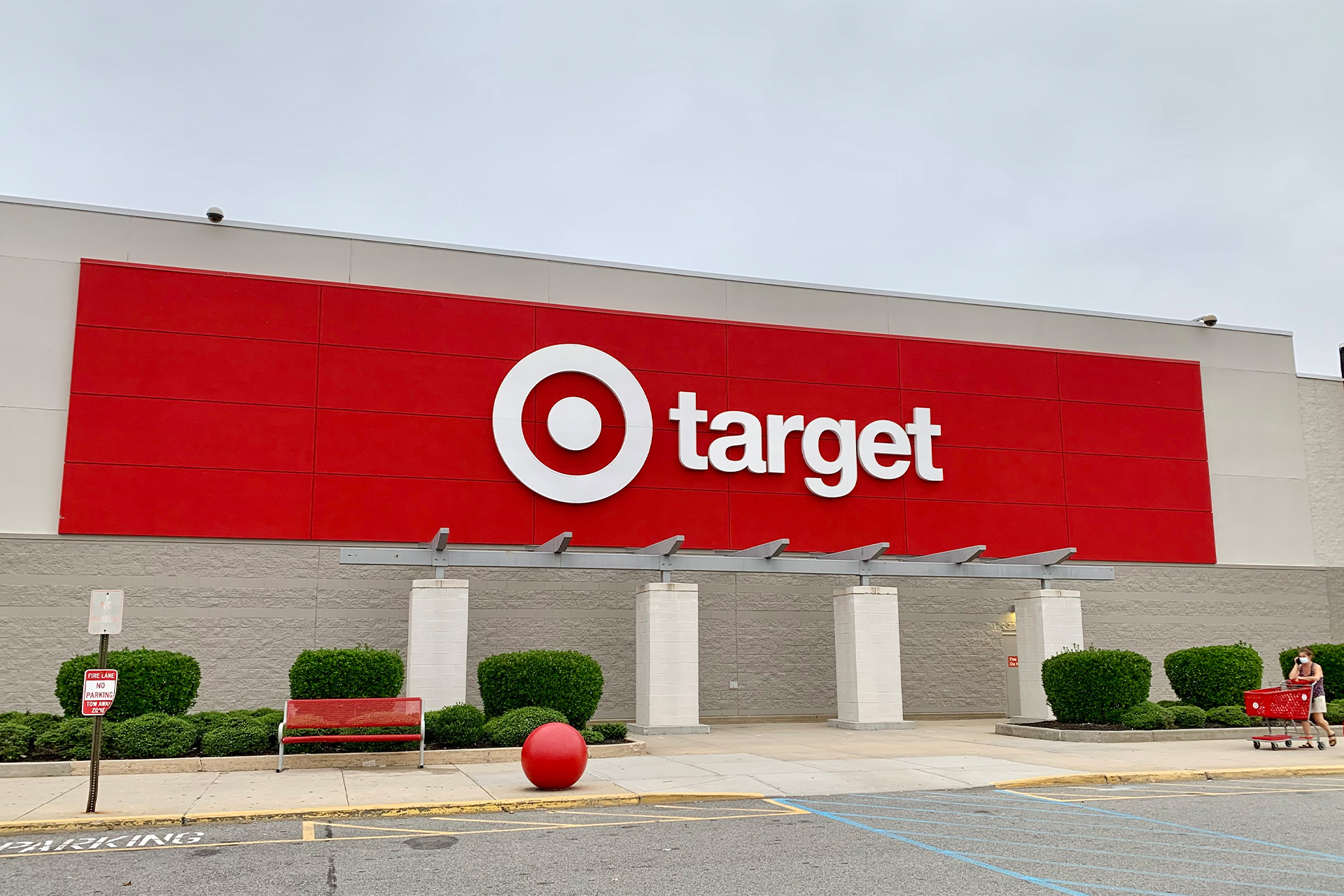
Target reported reinvestment in the business is coming as part of a larger return-to-growth initiative after comparable sales and profits in its third quarter slipped as discretionary sales remained soft.
As it released its financial results, Target also announced a deal that enables consumers to discover and shop its assortment in ChatGPT, part of an effort to reimagine AI-powered shopping as a curated, conversational experience in time for holiday shopping.
Net earnings were $689 million, or $1.51 per diluted share, versus $854 million, or $1.85 per diluted share, in the year-previous quarter. Adjusted for one-time events, earnings per share were $1.78 versus $1.85 in the year-before period, the company indicated.
A consensus analyst estimate from Zacks Investment Research called for earnings per adjusted diluted share of $1.76 and revenues of $25.36 billion.
Comparable sales decreased 2.7% year over year, resulting from a comparable store sales decrease of 3.8%, partially offset by comparable digital sales growth of 2.4%. In the quarter, Target reported. Net sales were $25.27 billion versus $25.67 billion in the year-earlier period.
The net sales total reflects a merchandise sales decrease of 1.9% partially offset by a 17.7% increase in non-merchandise sales, Target noted. Food and Beverage and Hardlines delivered comp growth in the quarter, offset by continued softness across the company’s broader discretionary portfolio, the company added. The non-merchandise sales growth got a revenue lift from the company’s retail media operation, Roundel, memberships and marketplace-derived revenues.
Operating income was $948 million versus $1.17 billion in the year-prior quarter. Target reported third-quarter operating income included the impact of non-recurring items. With non-recurring items excluded, operating income was $1.1 billion.
As for guidance, Target is maintaining its expectation of a low-single digit decline in sales for the full fiscal year, and it now anticipates full-year GAAP earnings per share to come in at $7.70 to $8.70 and full-year adjusted EPS. That excludes the gains from litigation settlements in the first quarter and severance and asset-related charges in the third quarter, to be approximately $7 to $8. In the second quarter, Target stated it expected a low-single digit sales decline for the full fiscal year, GAAP EPS of $8 to $10, and adjusted EPS, which excludes the gains from the litigation settlements, of $7 to $9.
About to launch in beta, the Target initiative with OpenAI will offer a complete shopping experience through ChatGPT. The partnership will give consumers the ability to purchase multiple items in a single transaction, shop fresh food products and select drive-up, pick-up or shopping fulfillment options in the Target app. Shoppers soon will be able to request personalized recommendations, browse and build baskets from across the retailer’s full product assortment and purchase directly through their Target accounts. In the ChatGPT interface, consumers tag Target and they can ask for help, for example, to plan a family movie night. The Target app in ChatGPT can respond to such requests with suggestions across the retailer’s product assortment with anything from throw blankets to snacks.
In a conference call, Michael Fiddelke, Target COO and incoming CEO, said the company is not satisfied with its current results and will focus on its return to growth. He detailed how the company is reconfiguring the entire operation to boost customer service both in-store, with greater emphasis on consumer engagement in physical retail and better fulfillment in digital. He noted the company would raise capital investments to $5 billion, “about $1 billion more than this year, to bring the latest and greatest of Target to new and existing markets,” including the latest generation of larger-format stores the company has introduced to good consumer response.
Rick Gomez, Target executive vice president and chief commercial officer, said in the conference call softness in discretionary categories, such as home and apparel, continued through the third quarter. Food, essentials and beauty were stronger and helped to offset the softness in discretionary goods. For the 2025 holidays, he said, Target is spotlighting affordable holiday seasonal decor in its promotional strategy and larger goal of boosting customer experience.
Gomez added consumers are interacting with Target in deliberate ways focused on “stretching budgets and prioritizing value.” As such, he said, Target is acting on consumer priorities during the holiday season, addressing everyday needs with affordable on-trend products and designated promotions including for Thanksgiving.
In announcing the financial results, Fiddelke said, “Thanks to the incredible work and dedication of the Target team, our third quarter performance was in line with our expectations, despite multiple challenges continuing to face our business. As we head into the all-important holiday season, our team is well-prepared and ready to serve our guests with the great products, value and inspiration they expect from Target. At the same time, we continue to focus on the important work to deliver on our three key priorities: solidifying our merchandising authority, elevating the shopping experience, and further harnessing the power of technology to move at greater pace and consistency, all in support of a return to sustainable growth.”