

This article originally appeared in the 2025–2026 edition of Inspired Magazine, the official publication of The Inspired Home Show.
Artificial intelligence has finally moved beyond hype and into practical application in retail. From staff scheduling and predictive product selection to personalized marketing, store design and customer feedback, AI is reshaping the way retailers operate – making businesses more efficient while also elevating the customer experience.
We catch up with retailer, entrepreneuer and gia expert Scott Kohno to discuss his thoughts on how AI is driving change across the retail landscape now and into the future.
Smarter Staff Scheduling and Lower Turnover
Kohno and his family own a popular, experience-led business in Los Angeles called Yama Sushi Marketplace. Yama offers customers a one-of-a-kind retail experience: Customers can order the freshest sashimi fish cut to order, grab some sushi that’s prepared hourly, purchase from the largest selection of sake in LA, attend sushi-making classes and sake tastings and learn all about the many varieties of soy sauce. There’s also a wide range of lovingly curated products from Japan.
“In most retail businesses, including ours, employee turnover is one of the main challenges, particularly among Gen Z workers who expect flexibility and balance in their lives,” Kohno says. “Scheduling large, diverse teams, where everyone has their own needs, families and lifestyles, is always going to be a complex task. There are always issues arising, and this often leaves managers in the unenviable position of being the bad guy when conflicts arise.”
Kohno has alleviated much of this issue by utilizing an AI Platform for scheduling. “It can analyze millions of data points to create rosters that respect their personal preferences, availability and business needs,” Kohno explains. “By removing human bias and conflict, AI takes the pressure off managers and creates fairer, more efficient schedules.”
The result for Kohno’s business has been improved employee satisfaction, lower turnover and stronger engagement.
Beyond scheduling, AI systems such as this are also providing real-time feedback and performance insights, allowing retailers to address staff concerns quickly and maintain motivation on the shop floor.
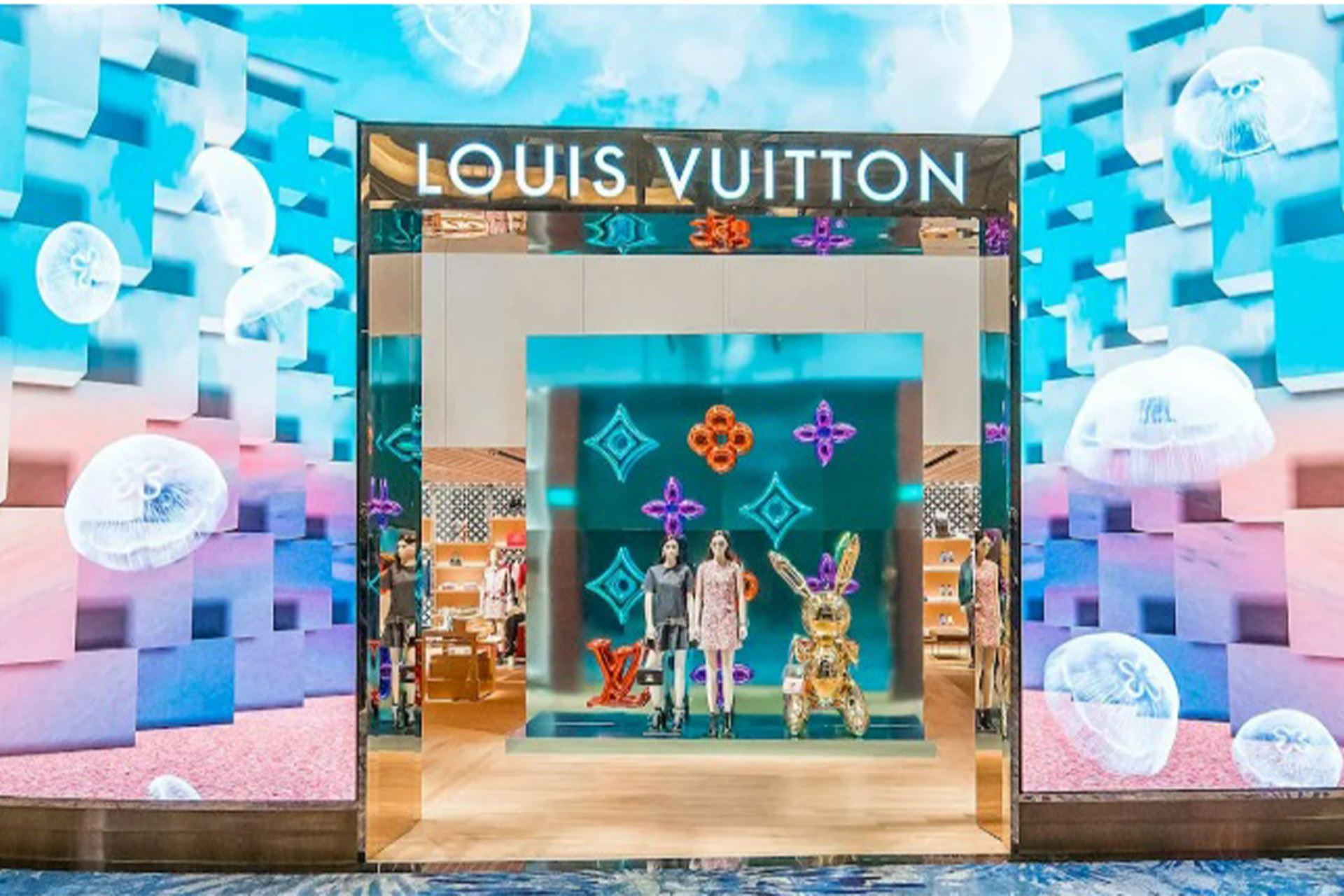
Louis Vuitton, Singapore Changi Airport
Product Assortment and Predictive Analysis
As any retailer knows, choosing the right product has always involved a mix of instinct, customer feedback and experience. But now AI is helping to remove some of the guesswork. By analyzing customer data and wider market trends, AI can suggest products likely to excite shoppers and keep stores competitive.
“For specialty retailers like us, this means being able to introduce unique items – such as a new variety of soy sauce that is popular in Japan – at just the right moment,” Kohno says. “AI-driven product advisory systems also help us identify gaps in our assortment and predict what customers will want next. It can do research and basically connect the dots for you. AI can also keep track of how many, say, sushi rolls sell on a Saturday, and then tell us how much of certain ingredients to order for the next week or month,”
This deeper level of insight allows businesses to stay ahead of trends, create customer excitement and reduce waste from poorly performing products. The result is a smarter, more agile approach to curation that adapts as quickly as customer preferences shift.
Personalization and the Customer Experience
Personalization has always been central to successful retail. AI can enhance personal experiences, rather than replace or emulate them, by gathering data on customer preferences and information.
Kohno emphasizes that AI should be seen as an enabler of more immersive and tailored experiences, adding that it can streamline processes and free up employees to focus on genuine human interactions.
“The human touch remains critical in retail,” Kohno says.
“Storytelling is critical to what we do, and customers still crave authentic connections with staff. Our staff are like celebrities, with people gravitating toward them. They see my wife, Wendy, promoting her classes on Instagram, for instance, or our staff making sushi in a video, and then they come here and see them, and there’s that instant connection.”
Store Design, Architecture and the Wow Factor
Kohno explains that by creating spaces that are visually striking and emotionally engaging, retailers build lasting impressions that keep customers coming back.
Kohno mentions Louis Vuitton’s incredibly immersive store at Changi Airport in Singapore. The store is fronted by a massive, curved LED screen that forms part of the store’s digital facade. It features a custom-made film with changing Technicolor hues and eye-catching visuals, such as underwater scenes with manta rays flying out of the screen.
“Another great example is the Onitsuka Tiger store in Tokyo, with its black, woodgrain, tiger-striped exterior and unique interior,” Kohno adds.
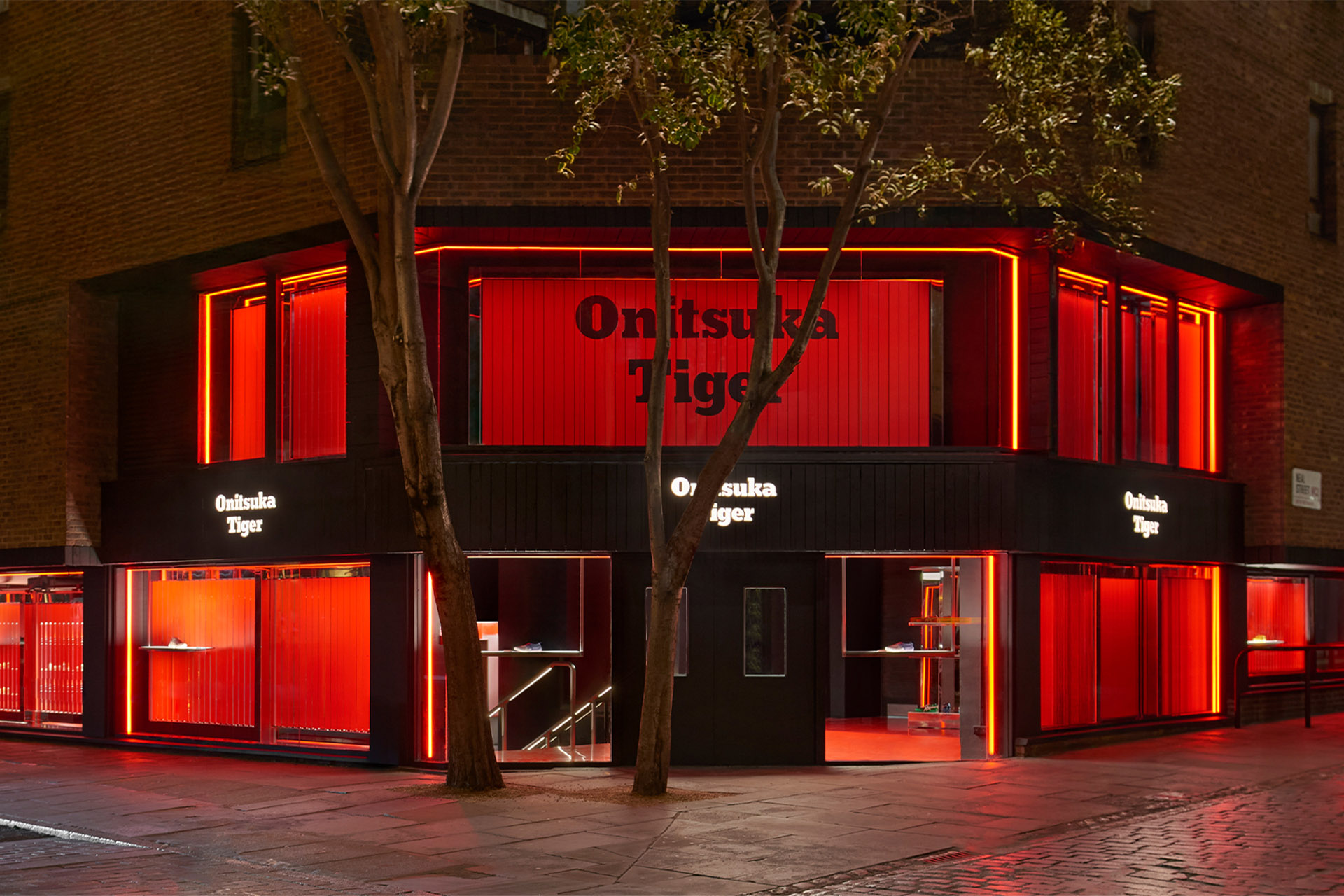
Onitsuka Tiger Red Concept Store, London
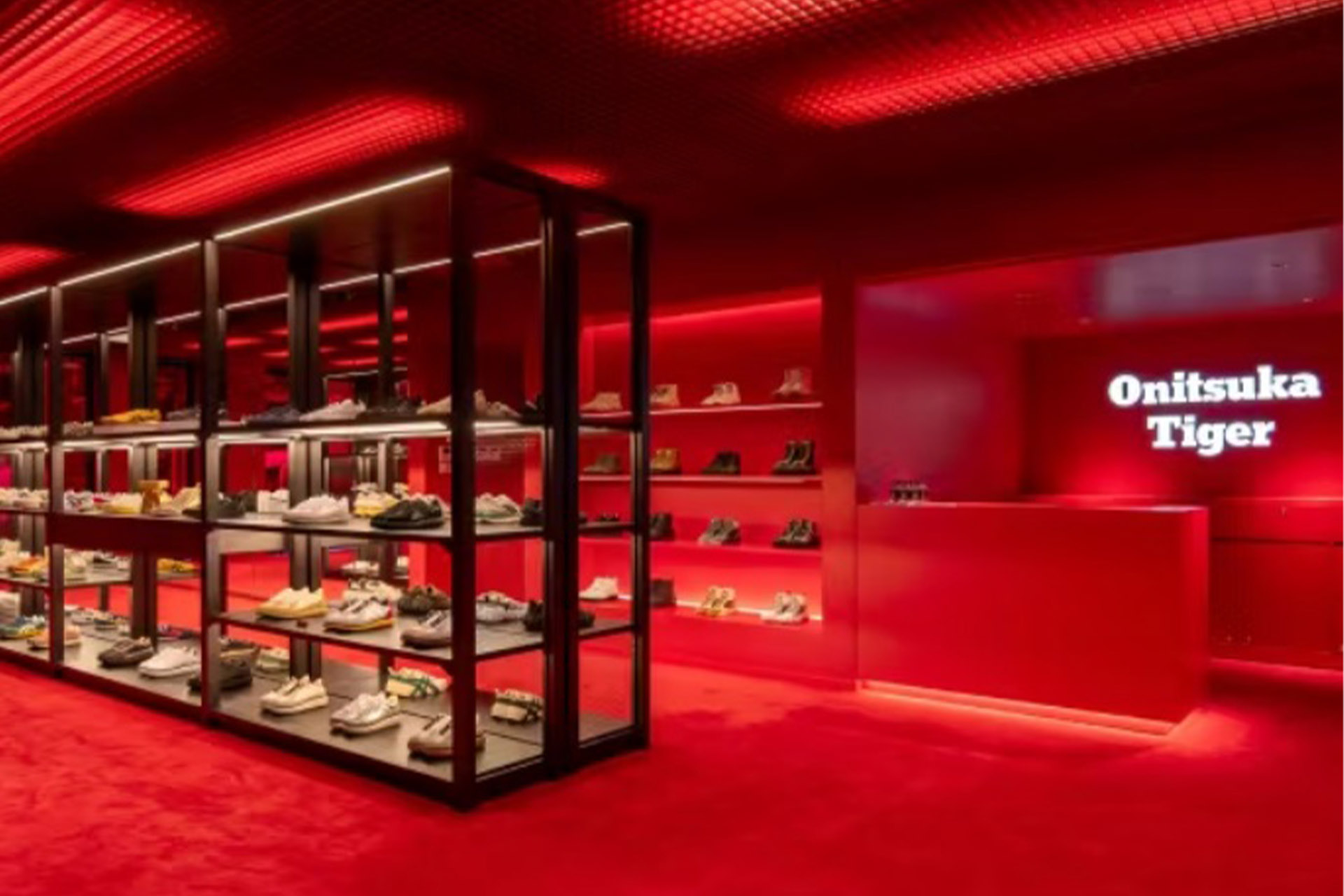
“You’d think in this time where everyone is talking about the cost of living and less spending in stores, that these big brands would not be spending so much money on architecture and design with wow factor, but they are because they can create viral, Insta-worthy moments. These dynamic spaces are built not just to sell products, but to immerse customers in experiences worth sharing,” he continued.
AI also plays a role here, with data helping inform layout, design flow and customer movement through stores, ensuring every square meter contributes to engagement and sales.
“Surveys and sentiment analysis tools further allow businesses to capture feedback in the moment, adapt to customer needs and demonstrate responsiveness,” Kohno says.
Customer Feedback and Engagement
Kohno says that listening to your customers has never been easier, or more vital.
“We can’t keep track of all reviews out there, but AI platforms such as Momos are aggregating reviews from across the web, including from sites retailers may not even be aware of, such as delivery apps or niche review boards,” says Kohno. “Momos consolidates the feedback, providing real-time insights into customer sentiment.”
Kohno explains that AI can help retailers by responding strategically: “Positive reviews can be acknowledged quickly with automated replies, while negative ones can be flagged for personalized human follow-up so that the issue can be solved,” he says.
This balance ensures efficiency without losing authenticity. “Surveys and sentiment analysis tools further allow businesses to capture feedback in the moment, adapt to customer needs and demonstrate responsiveness,” Kohno says.
The result is a stronger loop of trust and engagement between retailers and their communities.
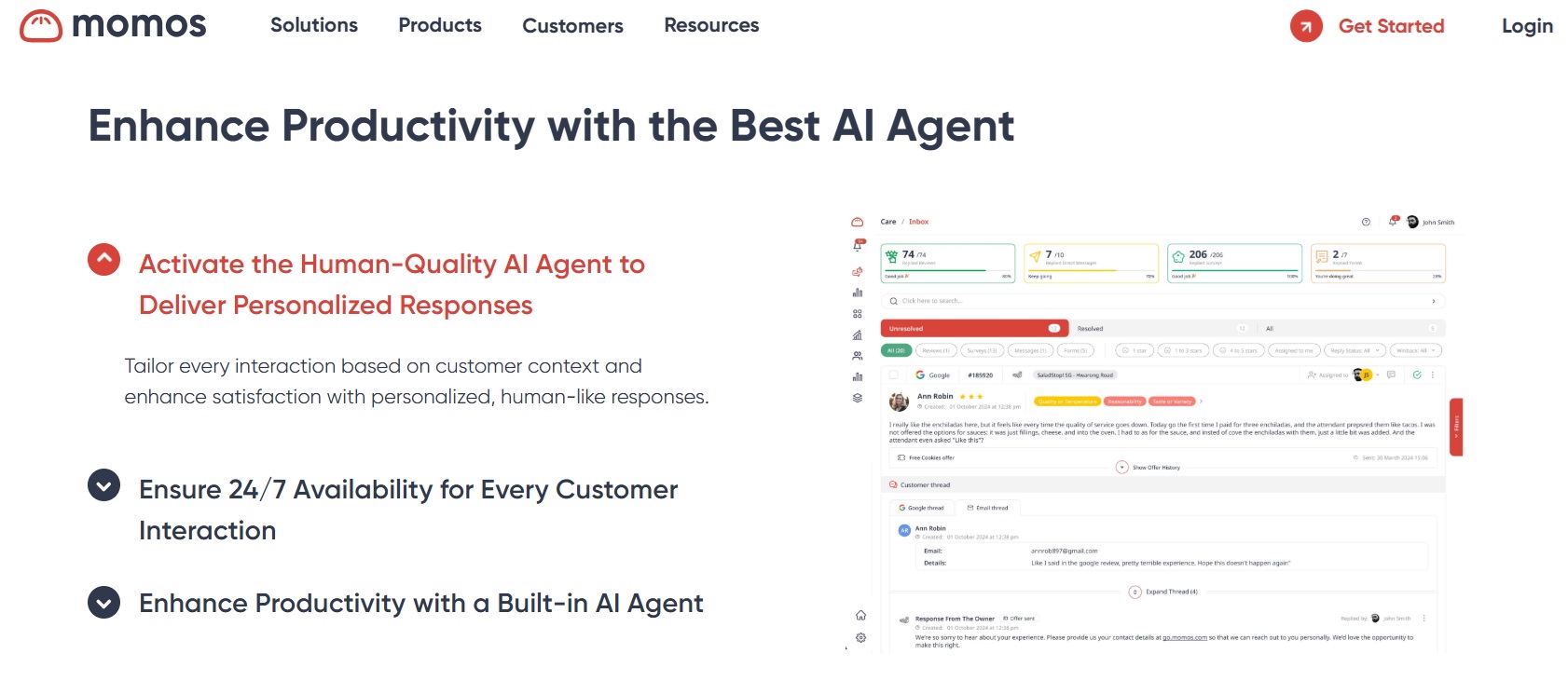
Momos
Combining Technology and People
Kohno believes AI can be used most effectively to help retailers free themselves up to do what they do best – connect with customers, create memorable experiences and bring brand stories to life.
In this scenario, technology provides intelligence and efficiency, while people provide the empathy and creativity. Together, they create a retail environment that’s smarter, faster and still very much human-based.