
Consumers are embracing retailers and brands for expanding across multiple shopping channels, but they expect the experience to remain consistent no matter where they shop, according to a survey from Radial, a 3PL.
As retailers add marketplaces, social commerce platforms, and other digital touchpoints, Radial noted that companies face the challenge of scaling operations while maintaining trust.
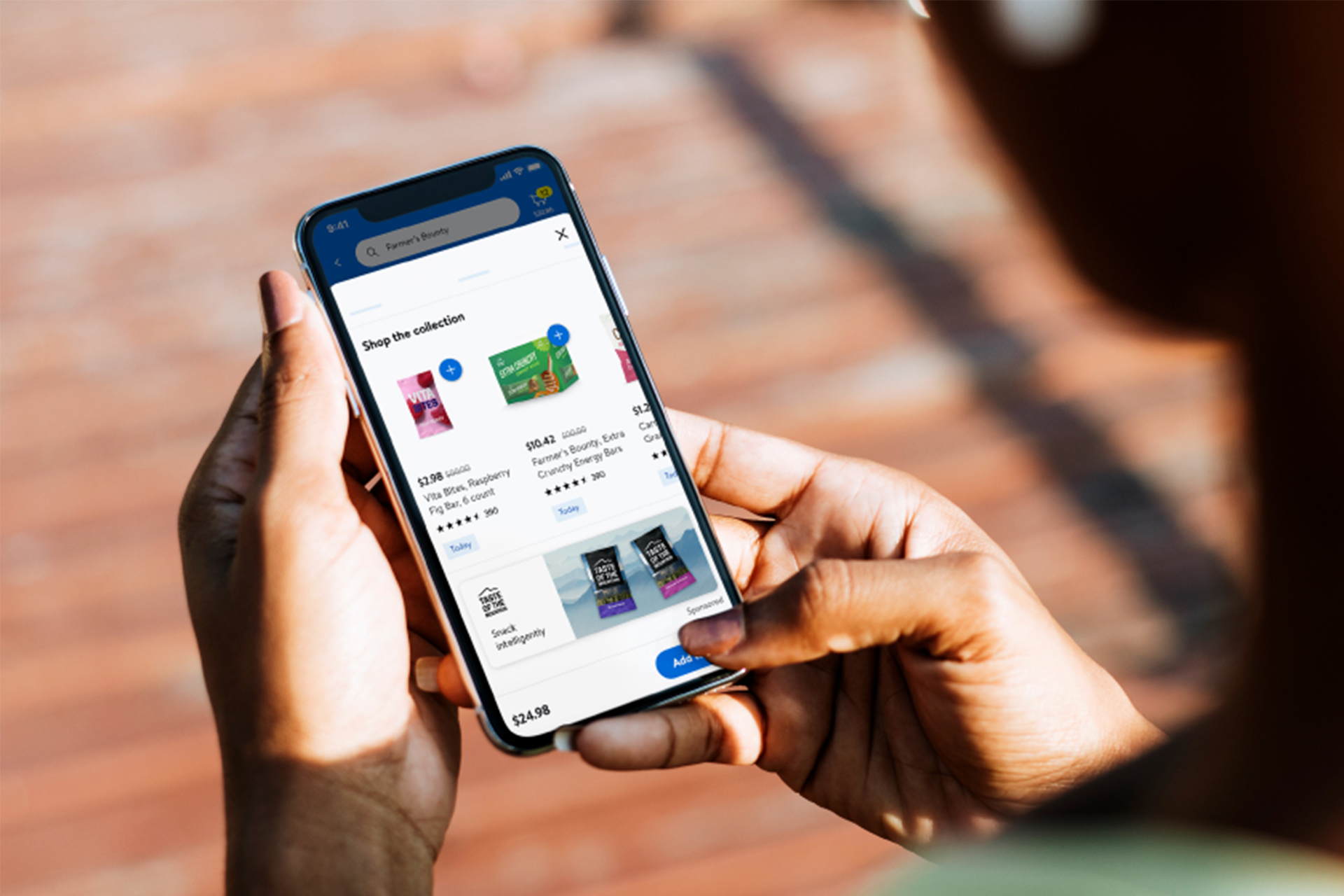
In the survey, 44% of respondents said they first buy from a new brand on marketplaces operated by Amazon or Walmart, versus 10% who shop initially on an online retail website such as target.com or macys.com, and 3% who turn to social shopping channels including TikTok Shop. Marketplace momentum is growing more generally, as 38% of survey respondents said they’re shopping marketplaces more often year-over-year, led by Millennials at 45% and Gen Zers at 44%. Just 19% of respondents said they’re shopping more on retailer websites and 13% said the same for social commerce.
As consumers encounter brands across more shopping channels, their confidence in them grows, Radial observed, with 39% of consumers overall and 56% of Gen Zers saying they trust a brand more when it’s available across multiple shopping destinations. Just 5% said they trust a brand less if it appears multiple times.
Consumers want the shopping experience to feel the same across channels, but Radial’s findings show that is not always the reality. Gaps are most visible around delivery, pricing and inventory. TikTok Shop had the highest rate of slower or less reliable delivery at 16%, more than double the rate reported for Walmart Marketplace and Amazon at 7%. Consumers were most likely to find different prices for the same product on Amazon at 17%, while stockouts were most common on Walmart Marketplace at 16%.
Consumers are willing to forgive the occasional delay, but repeated operational failures quickly erode loyalty, Radial pointed out: 53% of consumers responding to the survey said they would stop purchasing from a brand after paying for expedited shipping that failed to arrive faster, while 37% would walk away after a single canceled order and 27% after receiving the wrong item. Even seemingly minor disruptions, such as tracking visibility issues or delayed shipments, can become significant risks to customer retention when they recur. Poor customer service is another issue likely to prompt complaints, with 31% of respondents saying it would encourage them to post about a brand on social media or leave a review. The figure far exceeded operational issues such as paying for expedited shipping that wasn’t delivered, cited by 14% of respondents, receiving the wrong item, cited by 12%, or a late delivery, cited by 7%.
Still, retailers are continuing to build out their presence, Radial maintained, with 67% building their capabilities to add new channels and 53% saying that establishing a marketplace presence was their top priority.
“Consumers are telling brands they want choice in where and how they shop, but that flexibility comes with higher expectations for consistency,” said Shauna Bowen, Radial chief digital and transformation officer, in announcing the survey results. “Marketplaces have become the predominant channel for first-time buyers, but customers don’t lower their expectations once they get there. They still expect accurate inventory, reliable delivery and responsive service. As brands scale, operational excellence becomes a critical driver of customer trust and long-term loyalty.”