
Bain & Co.’s annual holiday forecast predicts healthy while below-average U.S. retail sales growth this season with more consumers choosing to shop in stores than online.
The management consulting firm forecasts a 4% year-over-year increase in U.S. retail sales during November and December, totaling about $975 billion. The growth compares with a 10-year average of 5.2%, underscoring consumer caution, though rising wages, stock market strength and potential interest rate cuts could help boost sales.
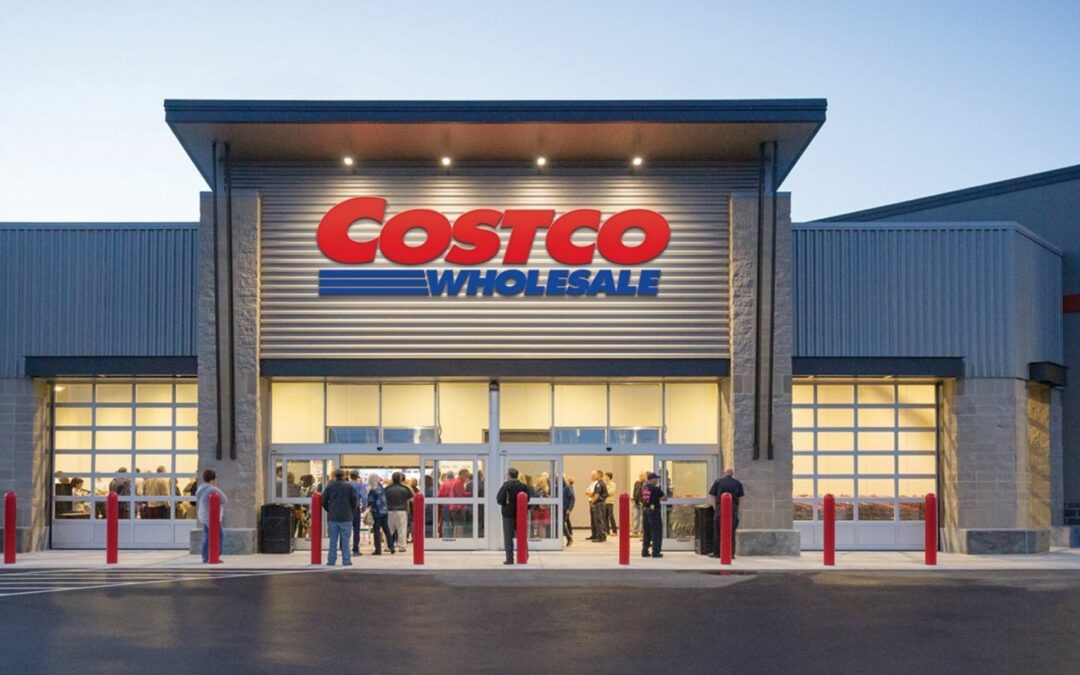
Bain estimates in-store sales will grow 2.75% versus the 2024 season, contributing 2% of overall growth, with the strongest gains in clothing and accessories, general merchandise (excluding department stores), and health and personal care. In contrast, Bain expects sales at electronics and appliances, building and garden, and furniture stores to decline versus the year-ago holiday season. Overall, 36% of consumers plan to do all or most shopping in store, while 26% are focused online and 38% plan an equal split of visits between physical and virtual destinations.
Non-store sales growth, which includes e-commerce and mail order, has slowed to 7%, down from 9% to 10% growth in the category over the same period in the last two years. Still, Bain anticipates non-store outlets will account for half of all sales growth overall.
Bain pointed out in its Consumer Health Index study U.S. households across income groups reported a worsening fiscal outlook in August. Among upper-income households, which account for 54% of consumer spending, outlook and intent to spend remain elevated versus 2024, although recent data shows they are weakening.
Financial strains are evident through the U.S. economy, Bain maintained. Severe credit delinquencies, those 90 or more days overdue, have risen about 3% year over year, reaching their highest level since 2011, with a relatively high proportion of borrowers under age 30 affected. Savings rates remain low, and labor force participation fell 0.4 percentage points in August year over year, Bain added, the fourth consecutive monthly decline seen. The decline reverses an upward trend that has continued since the pandemic.
Bain indicated several factors could help support nominal sales growth despite economic pressures. Average hourly wages grew 3.7% in August year over year, outpacing inflation and the consumer price index, which grew just 3.1%, giving many consumers more confidence and spending power. The S&P 500 is up 21% compared with 2024, and a buoyant stock market has been buoyant likely boosted wealth perceptions among higher-income households. The potential for interest rate cuts could boost consumer sentiment heading into the holidays as well, Bain suggested.
Bain advised retailers go big on holiday sales events to reach wary, deal-oriented shoppers. The company said retailers should lead with key value items, enhance frontline staff with help from technology to satisfy the larger number of in-store shoppers and employ timely, personalized ads.
“This holiday season will be a mixed one for U.S. retailers,” said Aaron Cheris, a Bain Retail practice partner. “Consumers are cautious and facing financial pressure, but they are also feeling the lift from higher wages and a strong stock market. Leading retailers will strike the right balance, leaning into value, creating warm human experiences while implementing new technologies, and capitalizing on big events like Black Friday to capture share from competitors.”