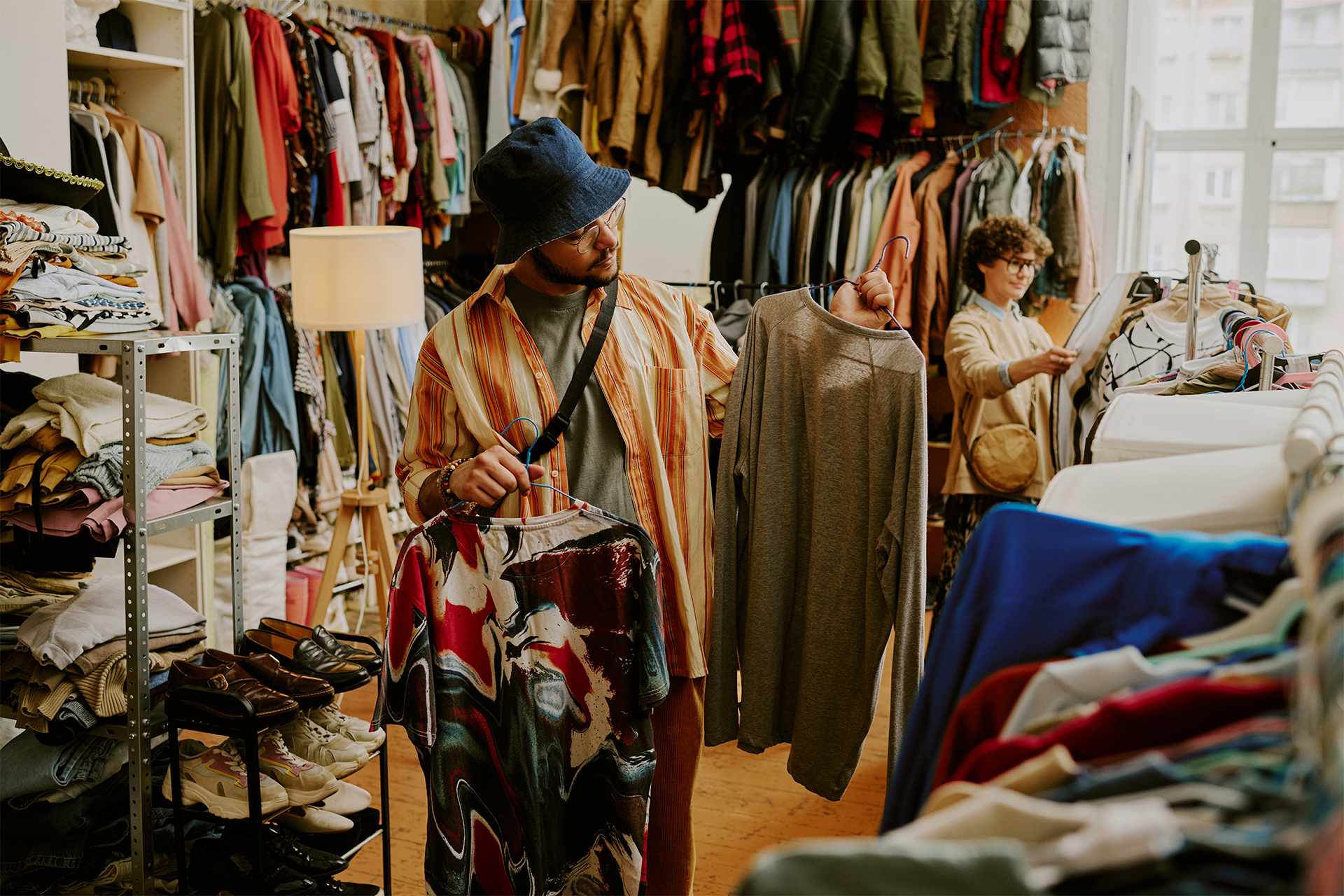
Secondhand or thrift shopping has moved firmly into the retail mainstream, yet the future of resale remains difficult to define as a diverse mix of marketplaces, nonprofit operators, specialty platforms and traditional retailers test new directions.
The charitable component, which includes traditional thrifters such as The Salvation Army and Goodwill Industries, can make some thrift retailers more attractive to consumers. The sector also includes for-profit operations such as Savers Value Village, which supports non-profit resellers in part by purchasing goods they can’t move themselves.
At the same time, established resellers such as eBay have been joined by newer operations such as Poshmark and, more recently, Vinted, which is an international player now operating in the United States.
To complicate things further, some thrifters were founded to support specific causes, while others contribute a portion of profits to charities. The sector also spans specialized apparel platforms, broad assortments and traditional retailers exploring where resale fits into their operations.
The resale marketplace has reached a crossroads: consumer interest is accelerating, but the path forward remains unclear as companies test different ways to turn secondhand shopping into a driver of retail growth.
Coresight Research, in its review of the sector, concluded that thrifting today is more accessible to a larger share of consumers in the United States. Even though the sector is growing, many for-profit secondhand purveyors still aren’t generating positive income, Coresight observed, even if Mercari and Savers have improved their margins. In the first quarter of its current fiscal year, Savers reported a positive adjusted net income.
Who is driving resale, and why they are doing it, remains complicated. A recent study underscores that younger consumers are driving resale, with Millennials well-established secondhand shoppers and Gen Z becoming a critical growth cohort.
According to the 2026 Gen Z Shopping Confidence and Loyalty report from Seel, a platform that helps brands and marketplaces handle post-purchase operations, more than half of Gen Zers bought resale online in the past year and 53% of Millennials did so. In comparison, 26% of Gen Xers bought secondhand in the period.
Sustainability influences enthusiasm for resale, but other significant issues also weigh in, including prices consumers confront. For Gen Z consumers still in their early earning years, the top reasons to shop include lower prices (55%), better value on premium or branded items (40%) and positive past experience (38%). Sustainability is a leading purchase reason for only 28% of secondhand enthusiasts, according to Seel’s research.
Seel contends that while social issues may inform resale shopping, the sector has become a smart, increasingly routine way for younger, price-sensitive, brand-aware consumers to purchase preferred goods. The platform also suggests that resale is less a trend to monitor than a market shift requiring a substantial response from companies serving consumers who, in the present uncertain economic climate, are rethinking how to spend their money.
eBay Evolution
Many resellers function as a bazaar for consumers who want to clean out their closets and/or fund an intended purchase. In contrast, the eBay resale operation is multidimensional and occurs both in the context of shoppers selling products they’ve used and want to cash in on and in the context of those running recommerce businesses, including, but not limited to, the buying and selling of collectibles.
Recommerce has some fundamental social qualities favored by many consumers, but thrifters are still in the retail business and use the same kinds of initiatives as they do in other channels.
eBay recently put a new twist on promoting its resale operations with The NYC Edit. A physical retail space in Manhattan’s SoHo neighborhood, The NYC Edit featured resellers from New York who gathered to promote their takes on navigating the eBay platform and to sell merchandise, too. The resellers included Eny Lee Parker and Talia Mayden, who focus on home décor and housewares. The NYC Edit also encouraged consumers who signed up for and attended the event to create an eBay listing if they hadn’t done so. Dedicated listing stations helped consumers onboard, with instructions on how to set up to sell, including tips on photographing products and uploading images.
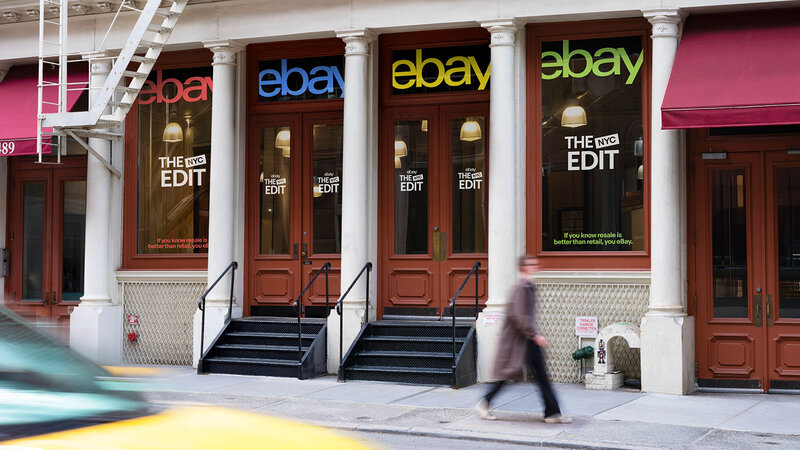
eBay’s The NYC Edit
Select merchandise introduced at what was effectively a resale popup store became part of an eBay NYC Edit hub online. Eligible items underwent verification through the eBay Authenticity Guarantee program, developed especially for luxury or collectible items and including expert inspection, to reinforce trust and confidence.
“The NYC Edit highlighted what style insiders in New York are buying and selling on eBay, bringing recommerce to life in a tangible, culturally relevant way,” Renee Morin, eBay chief sustainability officer, told HomePage News. “The related NYC Edit Market extended that idea into a physical experience. Activations like this reflect how we think about recommerce strategically, not just as a transaction, but as a community-driven and increasingly mainstream way to shop and sell.”
To advance recommerce, eBay is also looking to build its business not only through organic growth but also through acquisitions that provide it with access to alternative ways to address resale opportunities and reach customers.
In February, eBay announced it would purchase the C2C marketplace Depop from Etsy for $1.2 billion in cash. eBay stated that it was purchasing Depop to leverage its deep recommerce roots and a highly engaged Gen Z and Millennial customer base. eBay made a point of Depop’s position as a mobile-first, community-powered marketplace enjoying strong momentum, with annual gross merchandise sales of about $1 billion. Depop has grown, with almost 60% year-over-year gains in the U.S., eBay reported. As of December 31, 2025, Depop had seven million active buyers engaged with its marketplace, with nine in 10 of those under the age of 34.
“By bringing Depop into the eBay ecosystem, we will accelerate our C2C strategy,” said Morin. “The acquisition deepens our reach with younger, fashion-forward consumers and expands our presence in one of the most dynamic areas of recommerce.”
Ebay has developed a framework it calls sustainable commerce, an approach Morin said creates benefits across the marketplace.
“At eBay, sustainable commerce refers to how we operate and make it easier for products to stay in use longer through recommerce,” she said. “We see sustainability and commerce as going hand in hand: When buyers and sellers give products a second or third life, that can help reduce waste, conserve resources, cut emissions and create economic opportunity at the same time.”
The company supports sustainable commerce through its marketplace model and in its overall operations, Morin said.
“On the marketplace side, we’re focused on making the secondhand buying and selling experiences as trusted and frictionless as possible,” she said. “That includes investing in programs like eBay Refurbished, which gives buyers access to professionally restored products backed by warranties, strengthening trust through offerings like Authenticity Guarantee for eligible categories, simplifying the listing experience with tools such as streamlined mobile flows and AI-powered features and improving fulfillment and discovery through capabilities like managed shipping, local pickup and more personalized shopping experiences. Operationally, we are investing in the infrastructure that powers sustainable commerce, including maintaining 100% renewable energy across our offices, data centers and authentication centers, publishing our inaugural Climate Transition Plan and working to reduce transportation-related emissions across our value chain.”
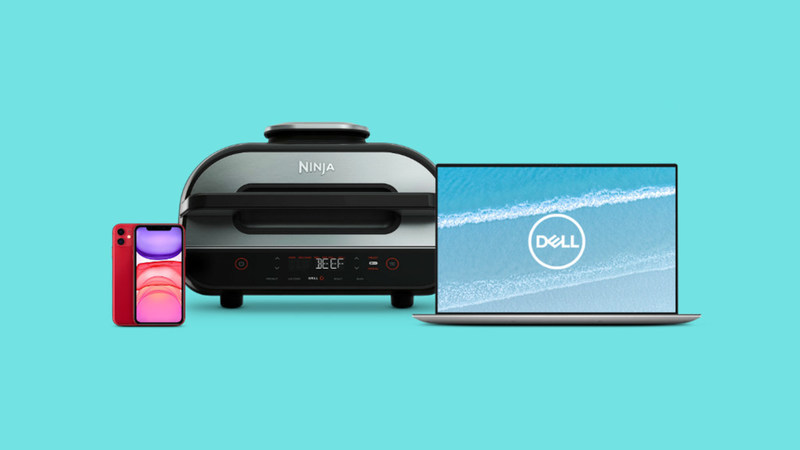
eBay Refurbished includes multiple condition grades and a wider range of price points on like-new products
While value remains the leading driver, sustainability continues to add another layer of appeal for resale shoppers. Giving consumers multiple reasons to shop at stores can only benefit resellers and encourage more consumers to consider shifting some of their purchasing. And it’s not only purchasing secondhand but also selling it that can provide the feel-good rush associated with giving products second lives.
“We’re seeing clearly that recommerce has moved from a niche behavior into a more mainstream one, even if shopping habits still vary by category and consumer,” Morin said. “Pre-owned and refurbished items represented over 40% of eBay’s GMV since 2024 and our 2025 Recommerce Report found that nearly 90% of surveyed consumers expected to spend the same amount or more on pre-loved goods in 2025 than they did in 2024. The report also found that almost 70% of surveyed consumers feel good about giving items a second life, which speaks to how secondhand is increasingly viewed not as a compromise but as a smart, value-driven and often desirable way to shop. More broadly, the momentum is being driven by a mix of value, sustainability, uniqueness, and trust, all of which show secondhand shopping is becoming a structural shift in consumer behavior rather than a passing trend.”
Classic Thrift Finds New Momentum
Long-established thrift stores, many of which provide social services as well as places to buy merchandise, remain an important part of resale growth and can have a big impact not only on the communities they serve but also on how they encourage consumers to use them as inexpensive resources to enhance their lifestyles.
Consumers often come into thrift stores looking for apparel, and clothing continues to generate the strongest sales at Salvation Army stores, said Colonel Mark Nelson, Commander, the Salvation Army USA Western Territory Adult Rehabilitation Centers Command. However, the same motivations that drive apparel shoppers extend across product categories. Largely because of the quality donations that aren’t available elsewhere, consumer interest in resale continues to evolve, with greater interest in product categories featuring domestic items, including unique home furnishings, vintage décor, collectibles and film cameras.
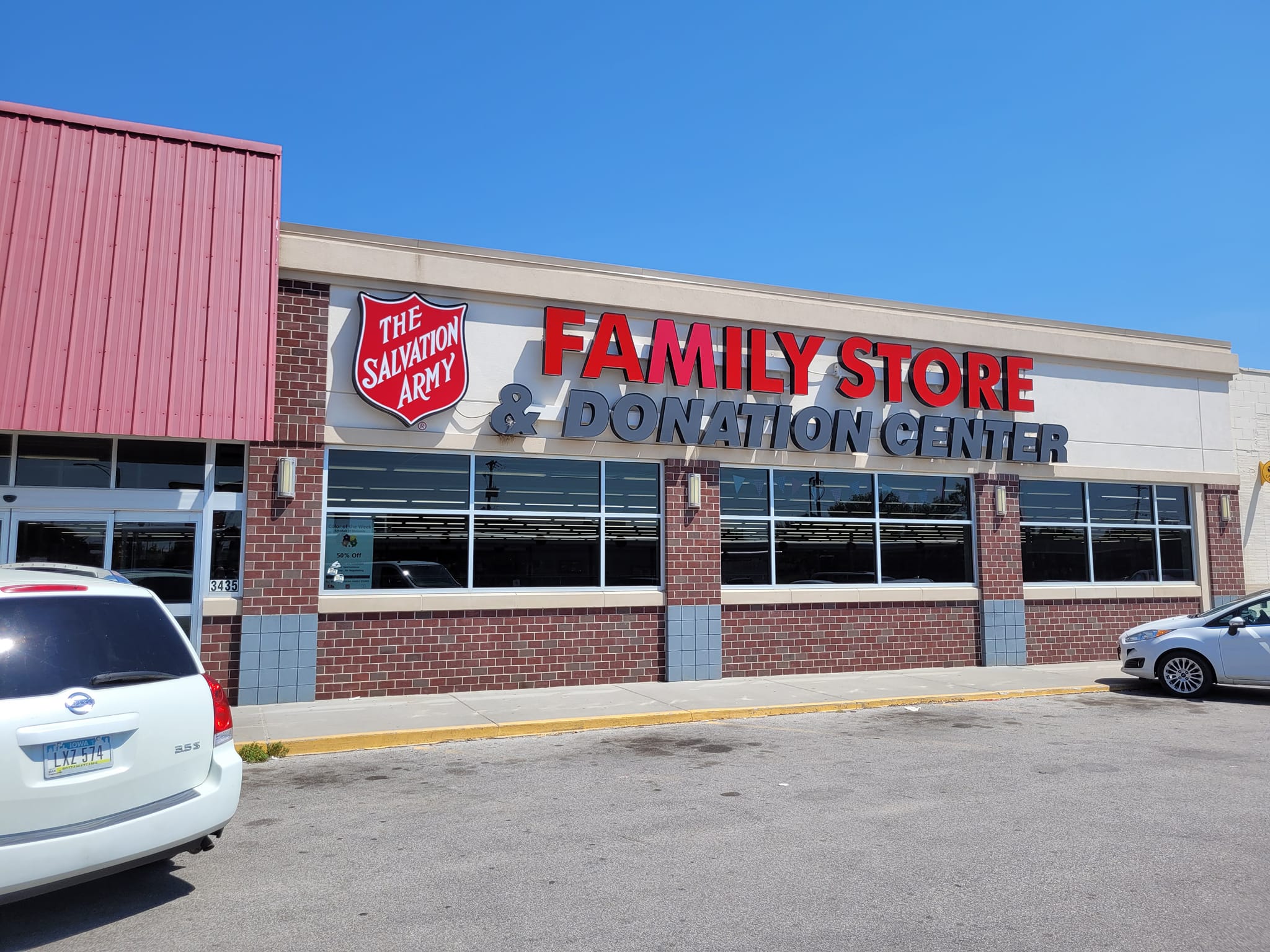
“Many shoppers now compare thrift stores alongside major retailers, online marketplaces and resale apps to determine the highest-quality product at the best price,” Nelson said. “Furniture, tested electronics, boutique and vintage sections, seasonal merchandise, housewares, books, jewelry, collectibles and online sales all play an important role in creating a shopping experience that offers something for everyone.”
From his perspective, Nelson said inflation has encouraged many people to reconsider how they might save money, but the growth of thrift shopping stems from a broader cultural shift.
Younger, often more socially conscious consumers get a lift from supporting good causes, but they are also fashion-conscious. For them, secondhand shopping can be a version of fast fashion that isn’t saddled with the guilt sometimes associated with throwaway consumption.
“The increased interest in secondhand shopping as a value-seeking and environmental sustainability strategy has likely had an even greater impact on the resale market’s growth than inflation alone,” he said. “Through nonprofit thrift stores like The Salvation Army, many customers discover that every purchase and donation directly supports numerous programs and services for individuals and families in the community. The Salvation Army’s thrift stores have always offered affordable, quality merchandise, but today more people proudly share their thrifted finds and intentionally shop secondhand for both the value and the community impact.”
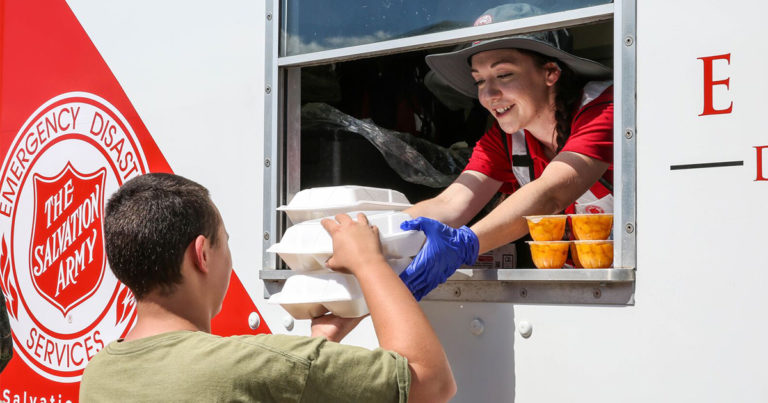
The Salvation Army Community Outreach
As interest in secondhand goods has increased across the population, the Salvation Army has seen its store customer base change.
“Traditionally, the Salvation Army’s thrift store customers were primarily families looking to stretch their budgets, but today’s customer base has expanded to savvy, fashion-conscious trendsetters,” Nelson said. “Today’s shopper may be a family saving money, a young adult looking for vintage fashion, a reseller sourcing inventory, a decorator looking for one-of-a-kind pieces or a donor who wants their items to make a difference.”
He said OfferUp, a mobile-first marketplace app, has produced research contending that 54% of Gen Z shoppers choose secondhand most of the time when a suitable option is available, compared with 44% of Millennials.
As with eBay, the Salvation Army has been developing outreach methods that align with how the retail market is evolving. The organization launched Thrift Score and Roblox in February. The Salvation Army billed Thrift Score as the world’s first digital secondhand store on Roblox. Designed to attract Gen Z and Gen Alpha consumers engaged with the virtual reality-based platform, the store offers participants a space to explore thrift-inspired digital finds for their in-game avatars.
Fun Factors In
The feel-good factor associated with resale can extend beyond simply buying and selling secondhand. Indeed, thrifting has become, for many consumers, a social as well as a shopping occasion that mothers and daughters, siblings, neighbors, crafters and others can share without spending much money.
“For the Salvation Army, thrift stores are more than a ‘used goods’ category,” Nelso said. “They serve as an opportunity to connect people with affordable, quality items while advancing a greater mission. The Salvation Army’s thrift stores offer a space where customers can expect clean, welcoming stores, quality merchandise, transparent pricing, convenient donation options and a clear connection between every purchase and its purpose.”
As shopped today, resale isn’t just about personal economics and environmental concerns; it’s also about fun. Established thrift operators cater to consumers who like a treasure-hunt atmosphere, those who have driven the growth of offpricers and warehouse clubs and are capitalizing on certain opportunities, including those that pop up on the calendar. The phenomenon, at least for now, is most closely tied to Halloween.

Goodwill Industries International fielded a survey at the beginning of October 2025, which found that 87% of consumers in the United States planned to celebrate Halloween in 2025, up from 80% in 2024. Among those celebrating, 62% with do-it-yourself costumes in mind were thrift store shoppers, up from 2024, when that share was 53%. Among Gen Zers, 63% chose thrift stores for DIY costume materials. Halloween has become an occasion when thrift shopping gets a higher profile.
Goodwill noted that its commitment to sustainability resonated with DIY Halloween shoppers: 76% of adults said it influenced their decision to shop at the thrifter, with Gen Zers at 84% and Millennials at 81%.
“Halloween shoppers, particularly Gen Z, are redefining Halloween style with a powerful blend of creativity, affordability and purpose,” said Onney Crawley, Goodwill chief marketing officer. “Their passion for sustainable fashion is fueling a thrifting movement like never before. At Goodwill, shoppers aren’t just crafting one-of-a-kind, eco-friendly costumes. They’re also uplifting communities by supporting vital career services and local programs with every purchase.”
Beyond that, shoppers enjoy the experience of thrifting, which has become a form of recreation for consumers who are excited “to find something unexpected, expressing personal style or discovering items with history,” a Goodwill spokesperson attested. “Sustainability plays an increasing role, as consumers think more carefully about waste and overconsumption. Typically, it’s a combination of these factors, rather than just one. Collectively across our network, in 2025, Goodwill kept an estimated 4.6 billion pounds of used goods out of the waste stream. Our goal is to keep as many materials as possible in circulation and out of the waste stream, all while creating employment opportunities in the communities we serve.”
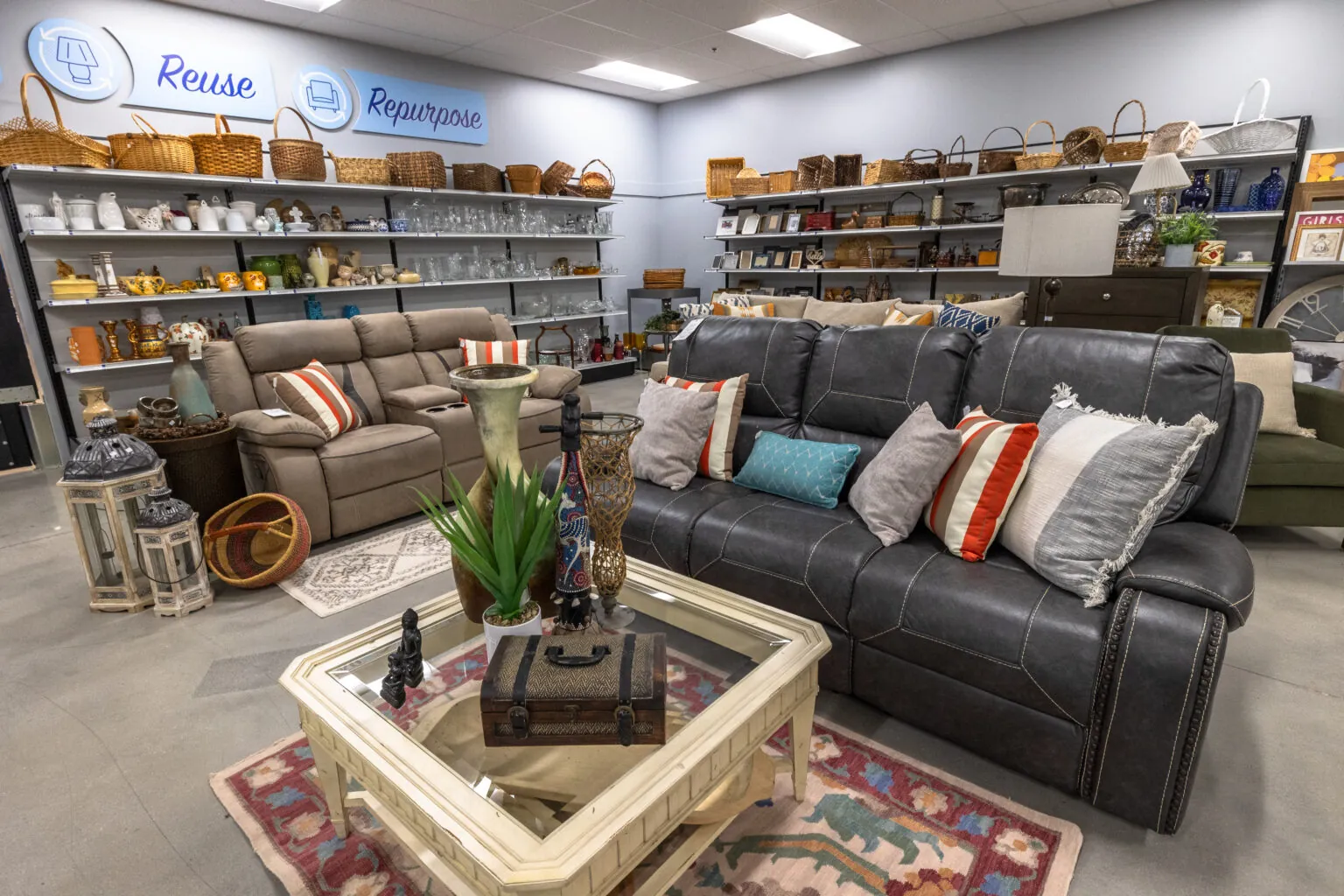
Goodwill Home Goods Section
Goodwill continues expanding its store footprint across the United States as resale gains broader consumer acceptance.
Goodwill is growing. Goodwill Industries International’s revenue reached $7 billion in 2025, up 7% from 2024. A Goodwill spokesperson explained that the strong financial performance reflected several factors, including continued consumer interest in resale and the essential role Goodwill retail stores play in funding the organization’s mission, which includes job training, employment placement and other wraparound services in local communities.
“We’ve seen resale become far more mainstream over time,” the spokesperson said. “Shoppers today reflect a broad cross‑section of the population, from individuals and families looking to stretch their budgets to people who enjoy finding unique or quality items at a lower cost. Economic pressures, including inflation and the rising cost of living, have certainly played a role, but we also see resale increasingly valued as a smart, intentional choice rather than a last resort. Younger shoppers have helped normalize and celebrate resale, particularly through social media, but interest extends well beyond Gen Z and Millennials. Goodwill serves shoppers of all ages and income levels, and many long‑time customers continue to rely on our stores for everyday essentials. What’s changed is that resale is now embraced across generations, each for slightly different reasons, from affordability and quality to nostalgia or practicality.”
Clothing is a core Goodwill category, “but interest in home goods, kitchenware, decor, books and other household items has grown significantly. Many shoppers turn to Goodwill for practical needs such as furnishing a home, replacing essentials or finding unique pieces that aren’t mass‑produced. These categories appeal to both budget‑conscious shoppers and those looking for quality or character,” the spokesperson said.
It Takes a Village
As previously noted, for-profit thrift operations include publicly traded Savers Value Village.
For the first quarter ended March 29, Savers’ total company net sales increased 8.9% year over year and 6.9% on a constant currency basis, with comparable sales up 3.5%. In the United States, net sales grew 11.2%, with comparable sales up 3.5%. In the United States, net sales grew 11.2%, with comps up 6.4% from the prior period, the company reported. Savers posted a net loss of $5.3 million, although adjusted net income reached $2.5 million.
As it continues to push for growth, Michael Maher, Savers’ CFO, pointed out, “We have now opened 60 new stores over the last three years, which are delivering strong returns as they mature.”
For the fiscal year, Savers anticipates net sales of $1.76 billion to $1.79 billion, with comps up 2.5% to 4%, and adjusted net income of $73 million to $85 million, or 45 cents to 53 cents per diluted share. In the prior fiscal year, Savers’ net sales were $1.68 billion and adjusted net income was $72.7 million, or 14 cents per diluted share.
In a conference call, Mark Walsh, Savers CEO, said the company plans to open 25 more stores this year. Yet, he said that Savers’ growth has been in more than just store count.
“We continue to see the strongest growth in our younger and more affluent consumer cohorts, which speaks to the power of our model and its ability to resonate with shoppers across demographics,” he said.
Walsh maintained that the value Savers can offer consumers is becoming greater as cost pressures drive up the price of new merchandise and cut into disposable income. As with other retailers, Savers operates a loyalty program and encourages shoppers to join it; Walsh says it currently has six million members. Savers had 370 stores in operation as of April 4, with 182 in the U.S., 170 in Canada and 18 in Australia.
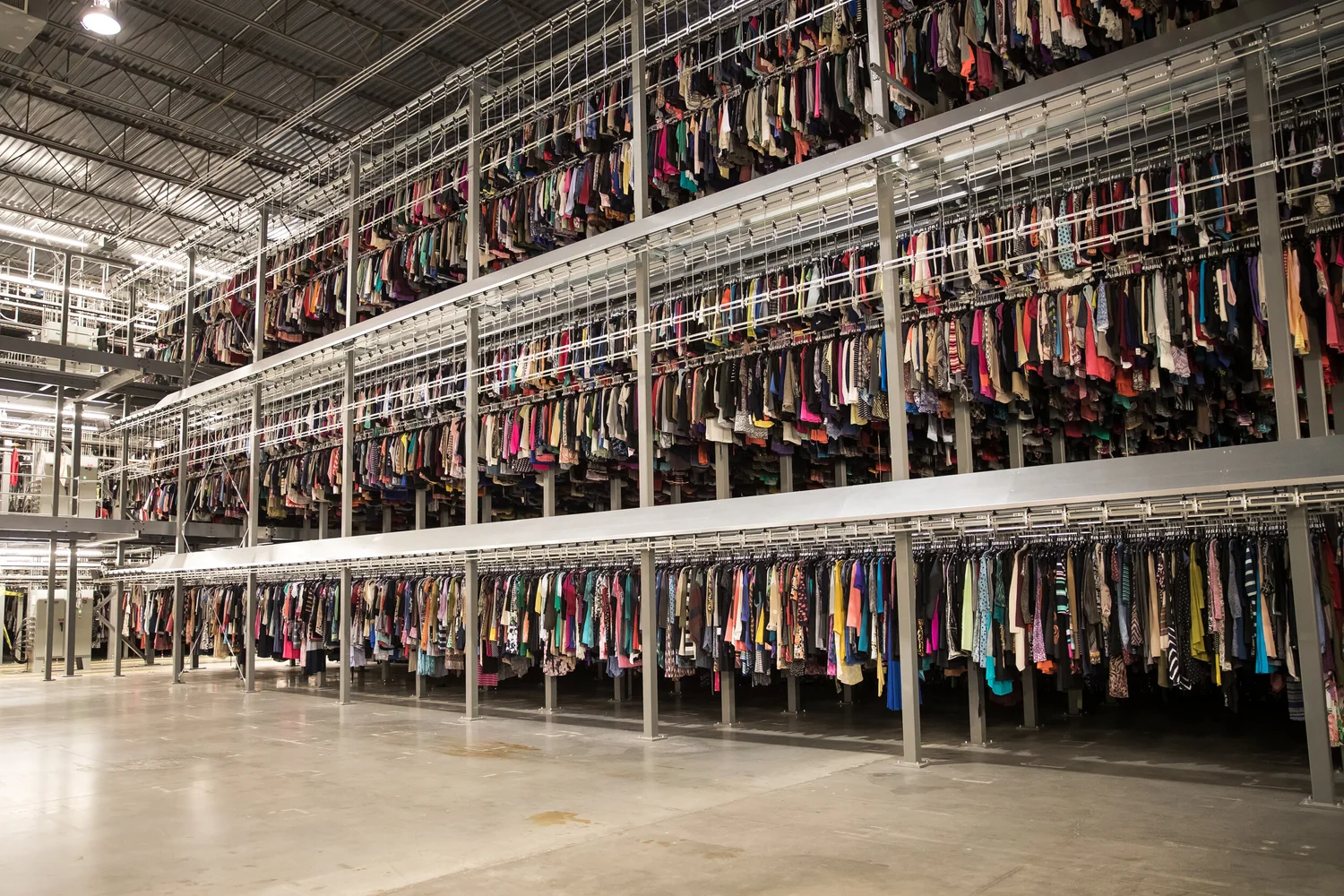
ThredUp Distribution Center
ThredUp, which operates its own resale platform, has been evolving resale as a service function, announcing the launch of its Universal Recommerce Layer iteration in May. A year later, ThredUp became an open-source operating model by eliminating resale-as-a-service-model or RaaS fees, upfront charges for businesses integrated into its secondhand platform, for partners that include major apparel brands, including J.Cew. The service it offers extends to website construction, pricing, customer care and even returns. By eliminating upfront charges, adopting usage-based pricing, and lowering other fees, ThredUp aimed to make participation in the circular economy easier for brands and retailers.
“Resale is no longer a niche trend; it is a fundamental new way to shop,” Virk commented. “The next evolution is branded resale, where the brand itself takes the lead in the circular journey. I’m thrilled to support ThredUp in accelerating RaaS, giving brands the infrastructure to drive their resale channel and turn every product into a lifelong customer relationship.”
Platforms Power the Next Resale Phase
The opportunity that resale represents isn’t lost on businesses that provide retail support functions.
Although the company has built its business by expanding its core buy-now-pay-later operation into a range of financing services, Klarna has begun establishing a resale presence. The company noted that the resale feature added to its app, initially launched in Europe during 2022 and later in the United States, enjoyed a 75% increase in listings from February 2025 to March 2026, as consumers became more enthusiastic about buying and selling through recommerce.
An important factor to consider, Klarna observed, is that today’s consumers are increasingly treating the things they own as assets with ongoing value, making resale routine for many.
Originally launched in Sweden, where the company is headquartered, Klarna resale is now available across 15 markets, including the United States. Klarna resale allows consumers to sell directly from their purchase history through leading recommerce marketplaces, including eBay, Poshmark and Tradera. Klarna pre-fills key listing details to make the selling process as easy as possible.
Returning users account for 38% of all listing activity, demonstrating that many consumers who try resale via Klarna continue to list. The most active cohort is users aged 26–35, who account for 30% of all resale activity.
In citing research from eBay’s 2025 Recommerce Report, Klarna underscored that 81% of consumers who bought pre-owned goods said saving money was their main reason, even if not their only one.
According to Klarna, resale data suggest that consideration of lifelong value is on the rise among consumers looking to save money on the goods they buy while treating their purchases as salable assets. In the long run, consideration of what items might have the best resale value may begin to affect consumer purchasing patterns.
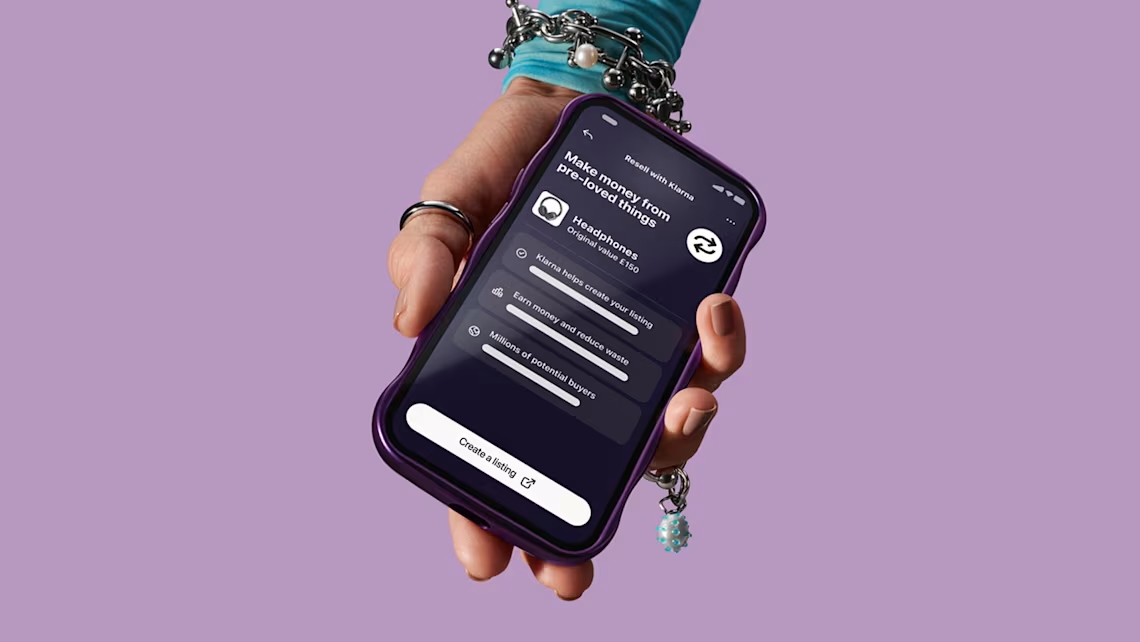
Klarna Resale
Louisa Garcia Moreno, sustainability communications lead at Klarna, told HomePage News that, as the company looked at the developing market, the opportunity in resale became obvious.
“Klarna’s features are always created to answer real consumer problems,” she says. “In this case, we identified two interconnected issues: the friction stopping consumers from listing items they no longer use, and the limited inflow of high-quality second-hand products into resale platforms. Many consumers own valuable items sitting idle, not because they don’t want to sell them but because the process is too cumbersome.”
“As a platform that already sits at the point of purchase and holds 118 million consumers’ order histories, Klarna had the infrastructure to make reselling frictionless in a unique way, turning purchase history into a resale launchpad,” Moreno continued. “The feature first launched in Sweden in 2022, giving Klarna an early read on consumer appetite before expanding to the 15 markets it covers today.”
As resale has evolved, Moreno said, reducing friction has become critical to making second-hand buying and selling a more routine part of the shopping experience.
“Friction is the enemy of resale,” Moreno said. “The biggest barrier to resale isn’t motivation; it’s effort. Listing an item through Klarna takes only a couple of minutes because it pre-fills key product details based on the user’s purchase history. That same philosophy extends to the broader shopping experience: Klarna now surfaces pre-owned alternatives next to new items at the point of purchase, making second-hand visible without requiring consumers to actively seek it out.”
“Partnering with platforms consumers already know and trust is essential,” she said. “A smooth resale experience isn’t just about removing friction on Klarna’s side; it’s about connecting users to resale platforms they’re already comfortable with. By integrating with established marketplaces like eBay, Poshmark and Tradera, Klarna ensures that once a listing is created, consumers land in familiar territory, which builds confidence and adoption.”