

Sustainability is becoming a more prominent factor in homewares product development, with companies increasingly incorporating eco-friendly elements into design, materials and production.
Consumer demand is helping drive the shift. Among Gen Z consumers, sustainability has become a lifestyle consideration, with 28% of those planning weddings seeking eco-friendly options, according to The Knot Worldwide 2026 Real Weddings Study. In a Business of Sustainability Index study by PDI, 91% of Gen Z respondents said they prefer to buy from companies with sustainable practices, and 77% were willing to pay more for such products. Other generations also are willing to spend more, including 72% of Millennials, 67% of Gen X and 62% of Baby Boomers.
The emphasis on sustainability is not limited to younger consumers or specific occasions. In eBay’s Recommerce Report, 45% of consumers said environmental considerations influence their decision to purchase secondhand goods. Retailers also are responding. Williams-Sonoma recently opened its first GreenRow store in New York City, highlighting home furnishings designed with sustainability in mind.
As a result, companies are treating sustainability less as an added feature and more as a standard part of product development. The range of approaches is evident in products introduced at The Inspired Home Show.
Jean Dubost’s Circo Knife is designed to limit environmental impact from the outset. The knife combines a handle made from 100% recycled plastic waste with a blade composed of 85% recycled stainless steel. Packaging uses Forest Stewardship Council-certified materials made with water-saving grass fibers. A patented screw system allows users to replace components and extend product life.
In cleanup, Star Kitchen & Home offers the Gleam Team Sink Set as an alternative to plastic and disposable products. The set incorporates bamboo, ceramic and a coconut oil soap bar. Tricol Clean’s ActiveWeave Kitchen Cleaning System provides reusable, multi-functional cleaning textiles made from recycled materials, while its Farberware Onesie Mat incorporates CiCLO biodegradable fiber technology and recycled polyester.
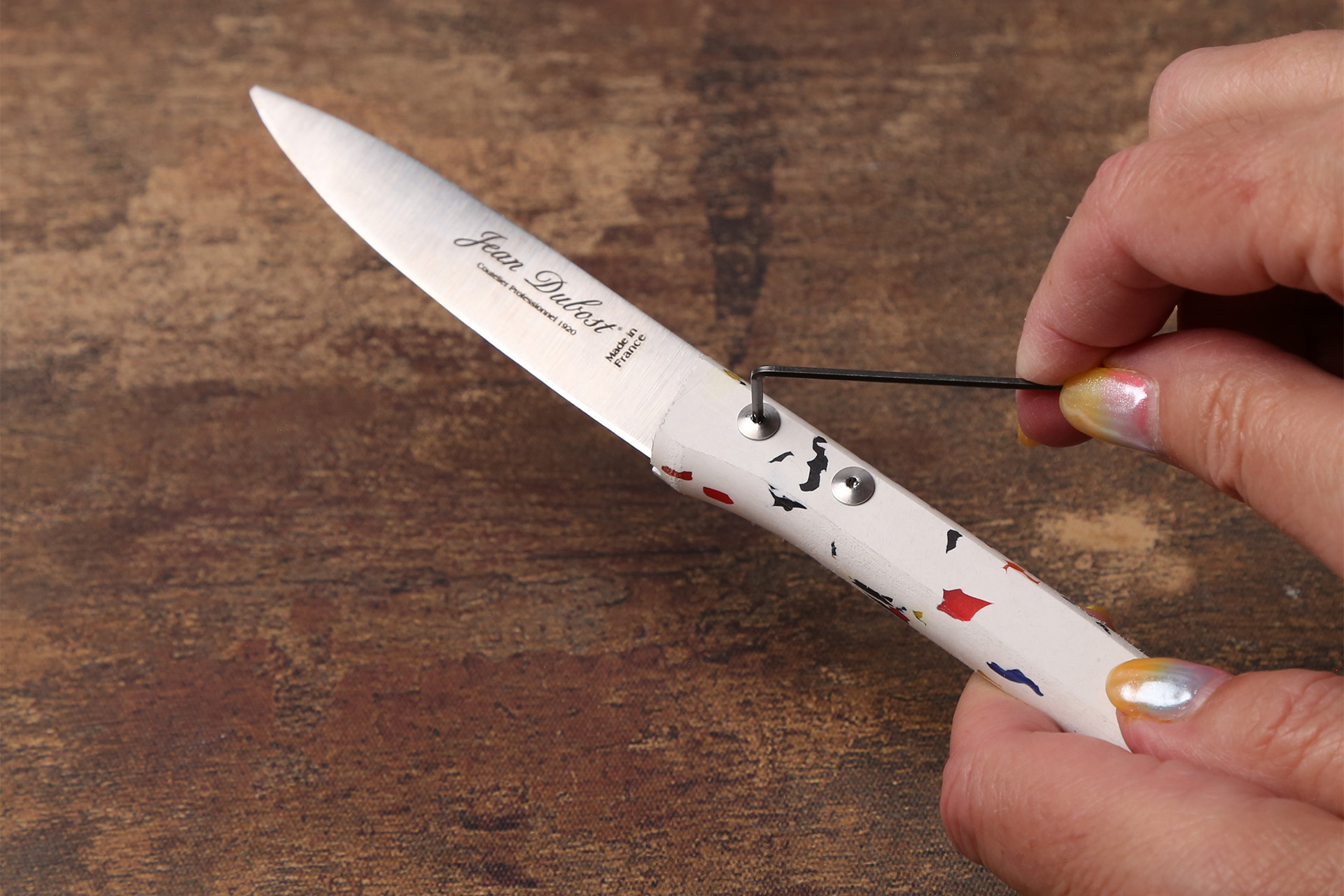
Jean Dubost Circo Knife

Notabag Reusable Hybrid Tote and Backpack
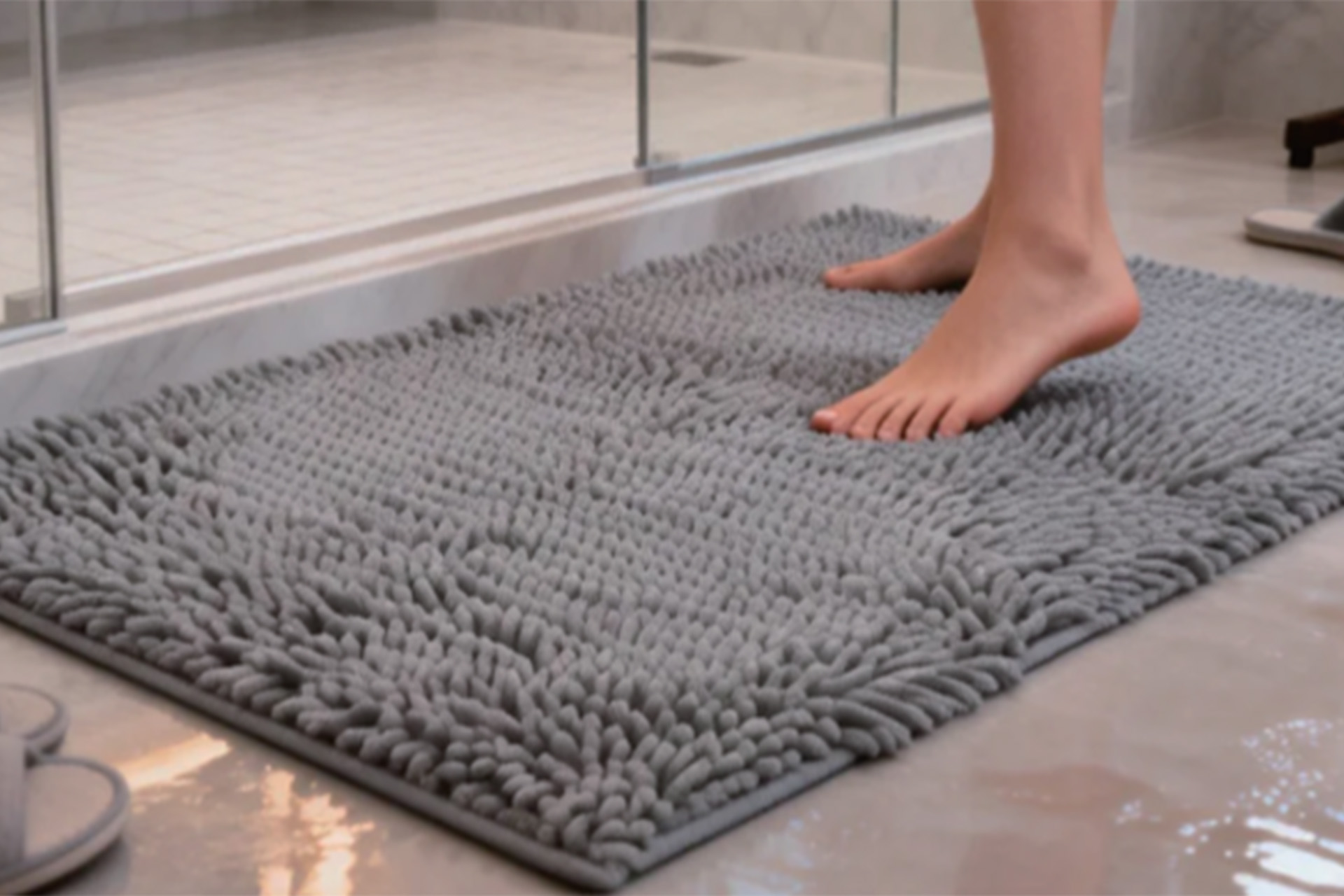
Farberware Onesie Mat
Reusable products also are gaining traction. LSY Defense’s Notabag, a hybrid tote and backpack, is designed to reduce reliance on disposable bags. The company also commits 1% of annual sales to environmental nonprofits. Gleener has redesigned its S’wet Wet/Dry Bag using 100% recycled fabric in a reusable format.
In some cases, sustainability is incorporated into specific product features. The Lotus Professional Coffeemaker includes a permanent stainless steel filter as an alternative to disposable paper filters.
Sainstore is addressing food waste with the Airthereal Revive R800 electric kitchen composter (pictured above), designed as an indoor alternative to traditional composting. The system reduces food waste volume by up to 90% through a controlled, odor-free process suited for home use.