
Ross Stores posted solid fourth-quarter results, lifted by home category gains against tariff pressures.
Net earnings were $645.9 million, or $2 per diluted share, versus $586.8 million, or $1.79 per diluted share, in the year-previous quarter, the company stated.
Ross beat a Zacks Investment Research analyst consensus earnings estimate of $1.88 per diluted share. Revenue surpassed the Zacks Consensus Estimate by 3.69%.
Fourth-quarter comparable store sales advanced 9% year over year. Sales were $6.64 billion versus $5.91 billion in the year-prior quarter. Operating income was $814.1 million versus $731 million in the year-earlier period, the company reported.
For the full fiscal year, net earnings were $2.15 billion, or $6.61 per diluted share, versus $2.09 billion, or $6.32 per diluted share, in the year previous, the company noted.
Sales were $22.75 billion versus $21.13 billion in the year prior. Operating income was $2.71 billion versus $2.59 billion in the year earlier.
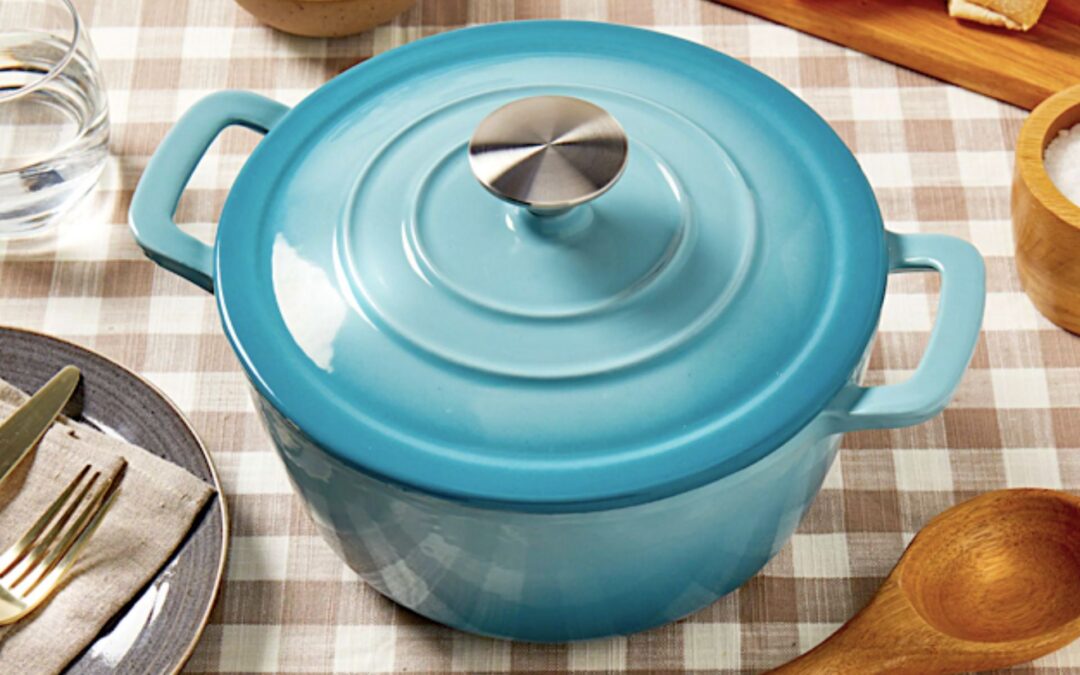
Jim Conroy, Ross CEO, said in a conference call the home category enjoyed solid growth and continued sequential improvement in the fourth quarter despite the tariff pressures that affected the category last year.
He added, “Our buying organization has done an incredible job navigating through tariffs and strengthening our vendor relationships to deliver merchandise that is resonating with our customers.”
In announcing the financial results, Conroy said: “We ended the fourth quarter with solid momentum, and while early, we are encouraged by the very strong start to the spring season. As such, for the 13 weeks ending May 2, 2026, comparable store sales are forecasted to increase 7% to 8%. If sales perform in line with this forecast, earnings per share are projected to be $1.60 to $1.67, compared to $1.47 for the first quarter ended May 3, 2025. For the 52 weeks ending January 30, 2027, we are projecting same store sales growth of 3% to 4% on top of a 5% gain in 2025. Based on these assumptions, fiscal 2026 earnings per share are projected to be in the range of $7.02 to $7.36, compared to $6.61 for the fiscal year ended January 31, 2026.”
Looking back at the holiday season, Conroy said, “We delivered compelling merchandise assortments to our stores, benefited from higher customer engagement through our new marketing campaigns and executed in‑store initiatives that enhanced the customer experience. For the full year, we delivered a solid performance. While the first half presented challenges amid a dynamic macroeconomic environment, including the impact of tariffs and broader consumer uncertainty, we remained focused on executing our strategy and managing the business with discipline. As the year progressed, underlying trends steadily improved, reflecting the strength of our merchandising efforts, enhanced marketing programs and improved shopping experience. This momentum built throughout the back half of the year and culminated in a strong finish, positioning us well as we move into the year ahead.”