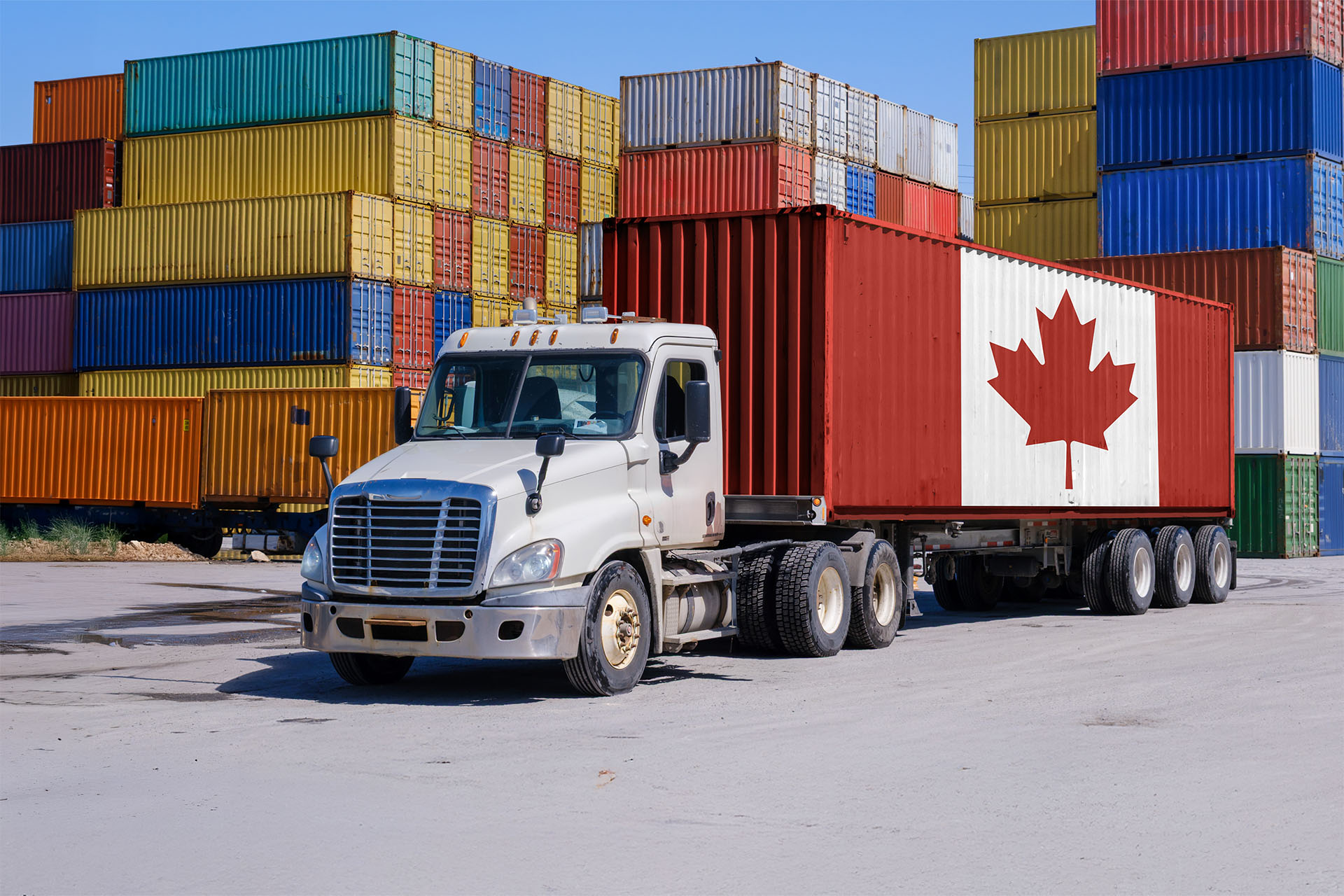
There is yet another presidential tariff-imposing authority to keep an eye on in the wake of President Trump’s plan to hit a wide range of Canadian imports with 50% duties under Section 338 of the Tariff Act of 1930.
Utilized for the first time by the Trump administration, Section 338 empowers the president to impose tariffs when a country is determined to disadvantage U.S. exporters relative to the exports of another country to offset the disadvantage or burden on U.S. commerce. In the case of the newly announced 50% Section 338 tariffs on select Canadian goods, the White House cited what it says are unfair duties imposed by Canada on goods such as cars, alcohol and dairy.
Most businesses are by now familiar with such tariff authorities enacted by the Trump administration, including IEPPA and Sections 232, 301 and 122, based on economic emergency, national security and unfair trade practice rationales. With the 10% temporary import surcharge imposed under Section 122 after the Supreme Court struck down sweeping IEEPA tariffs, which are set to expire on July 24.The White House has been planning to replace those duties with country-specific Section 301 tariffs imposed on some 60 countries based on a White House determination that those countries use “forced labor.”
In separate Section 338 proclamations on July 20, the White House outlined plans to impose 50% tariffs in 30 days on such Canadian imports as beer, wine, spirits, dairy, cars, paperboard, cement, hockey sticks, fishing rods, swimming pools, jewelry, textiles and furniture.
The Section 338 tariffs apply to all covered goods regardless of whether a class of goods originates under the U.S.-Mexico-Canada Agreement (USMCA), according to the Trump administration. The Section 338 tariffs will not apply to energy, potash, products subject to Section 232 tariffs and certain other goods, such as fish and critical minerals, according to the White House.
Trade experts said the Section 338 tariff proclamations are likely to face legal challenges, and some note that President Trump may be deploying the new tariffs as part of an effort to pressure Canada into agreeing to a new trade deal.