Inflation and economic uncertainty have been the main retail challenges over the past couple of years, causing many consumers to rethink their seasonal shopping approach as back-to-school gives way to the holidays.
For a substantial proportion of consumers, the key shopping seasons are blending as they stretch out purchases to cope with crimped finances.
Coping with inflation and economic uncertainty has made value an even bigger consideration for consumers, who have demonstrated a willingness to try whatever may provide a more satisfactory return on their dollars. For example, in 2026, almost half of return-to-college shoppers will purchase second-hand goods during the back-to-school season, according to the National Retail Federation, citing Prosper Analytics polling.
In a preview of how many may shop the holidays, resale is gaining as an option consumers will explore. For younger and older students, the proportion of shoppers purchasing preowned products is up year over year, NRF indicated. For the college crowd, 47% say they will purchase used items in this back-to-school season, up from 40% in 2026. For K-12 students, 32% are shopping preowned, up from 29% the year prior.
The willingness to shop for resale items is rooted in consumers’ determination to find value, Lea Grgich, NRF senior research analyst, stated in a blog post. Consumers are keeping an eye on what’s offered at what prices, and they have been satisfied for the most part. Grgich said 73% of back-to-school shoppers said sales and promotions on the materials they needed this year were the same or better than in 2025. The figure suggests retailers are doing a pretty good job, at least so far, in introducing deals consumers find attractive.
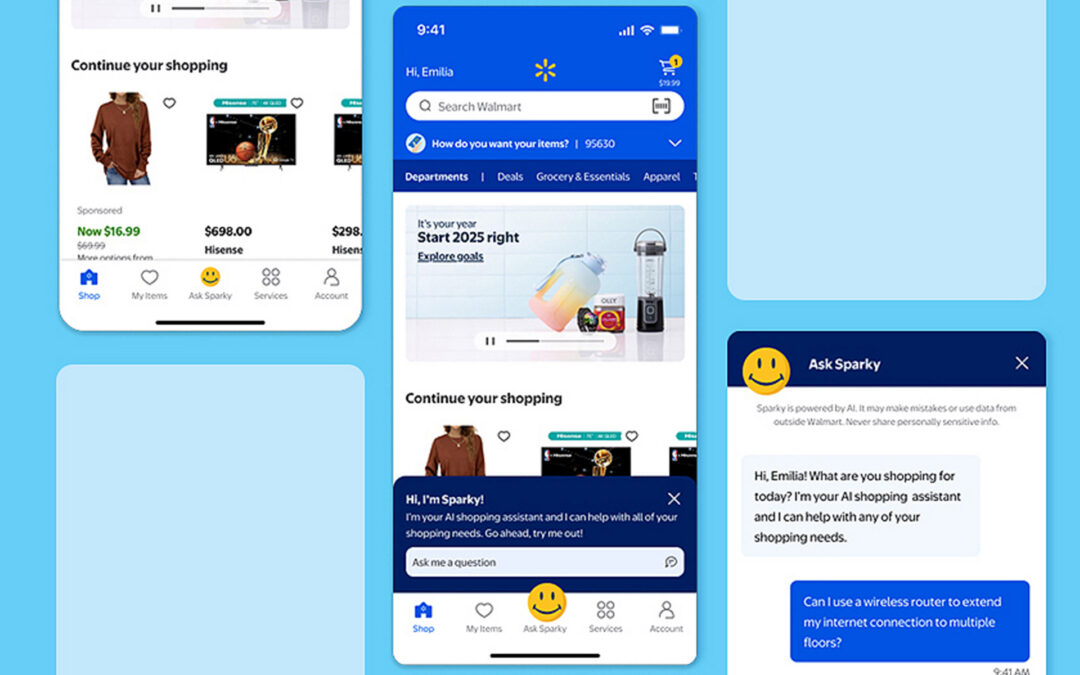
Artificial intelligence at retail will get a big test in the months ahead. Some bargain hunters have been trying it out, with 26% of consumers in the Prosper survey saying they use artificial intelligence to compare prices across retailers. That’s no more than those just asking for recommendations and ideas. Although retailers have placed some emphasis on encouraging consumers to use visual search capabilities, during the back-to-school season only 19% of survey respondents reported trying image search. That may be a significant proportion, but doesn’t it provide strong evidence that adoption of the technology will blossom in the upcoming holiday season, particularly if shopping overlaps and consumers maintain the same purchasing patterns?
Among back-to-college shoppers, 48% said they would make their final purchases in the last one to two weeks before school starts. That figure rises to 52% among consumers completing their K-12 purchases.
Research from Basic indicates many consumers will stretch their holiday spending over four months in 2026. The media automation and intelligence platform, in its Holiday Shopping Report 2026, reported that a quarter of consumers the company polled intend to spread out their shopping over that long a period. The ongoing search for value factors in, but shoppers also want to make sure they get what they want before the final shopping rush, with 68% buying early to avoid delays as the holiday season progresses. Next-day delivery is more common today, but some items still take several days, and sometimes several weeks, to fulfill. As shoppers take such factors into consideration, holiday spending for a significant proportion of consumers will span September through December.
Still, little is set in stone. Basic pointed out that 66% of consumers are willing to begin shopping before November, yet 63% say they might wait for Black Friday or Cyber Monday when asked directly about those events.
Higher prices might not lead consumers to spend more this year. More than half of shoppers plan to spend the same amount of money as last year. Basic indicated a growing proportion of consumers are pondering how they will approach the 2026 holiday season and if they will do so differently. For example, 26% of gift buyers plan to hunt for more deals, while 28% intend to prioritize a smaller number of carefully chosen gifts.
As summer winds down, some shoppers are thinking more deeply about holiday gift-giving and slowing down their decision-making. As a result, 30% of survey respondents said they are comparing more retailers than they did two or three years ago, and 27% report taking more time to research products before they buy. Such shifts, although not universal, suggest that holiday shoppers are more deliberate about where their money goes and more willing to shop around before committing.